Algunas ligas de Astrobiología
Artículos de Docencia en Español
(Teaching Articles in Spanish)
- "Formación y Procesamiento de Imágenes
en la Interferometría Radioastronómica"
(Image Formation and Processing in Radio Astronomical
Interferometry):
en pdf .
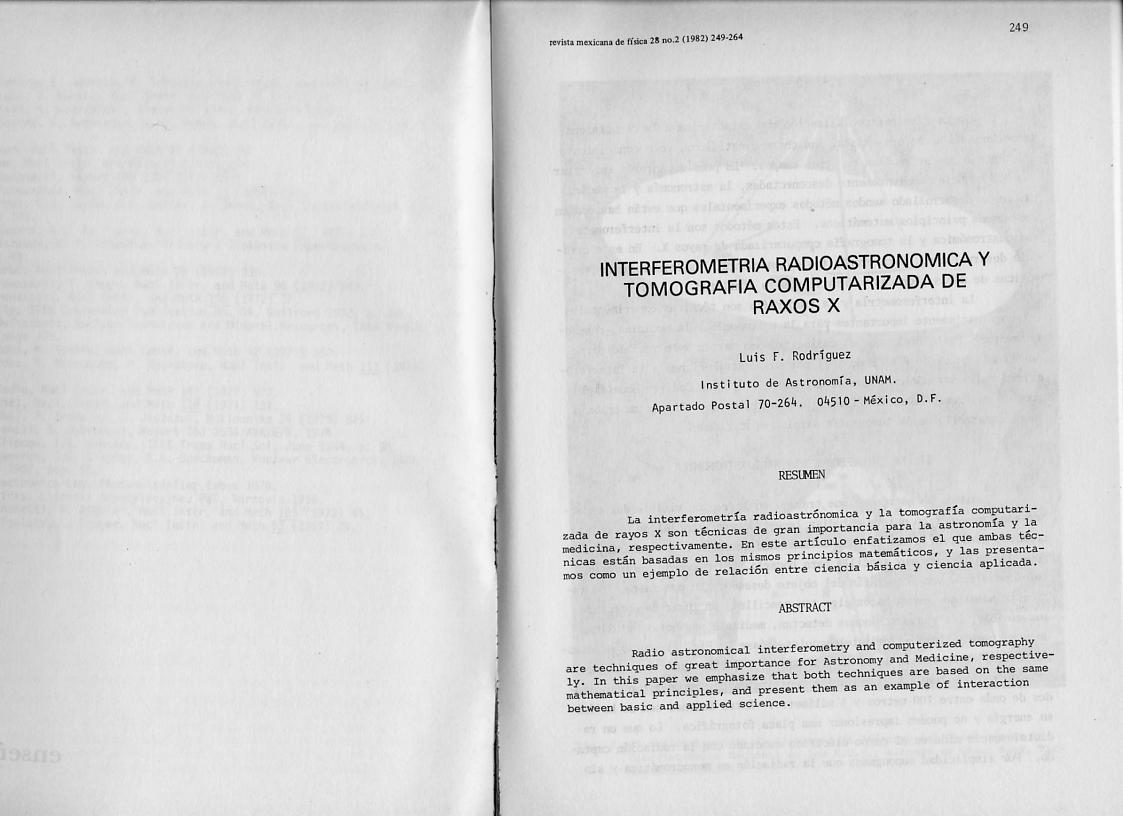
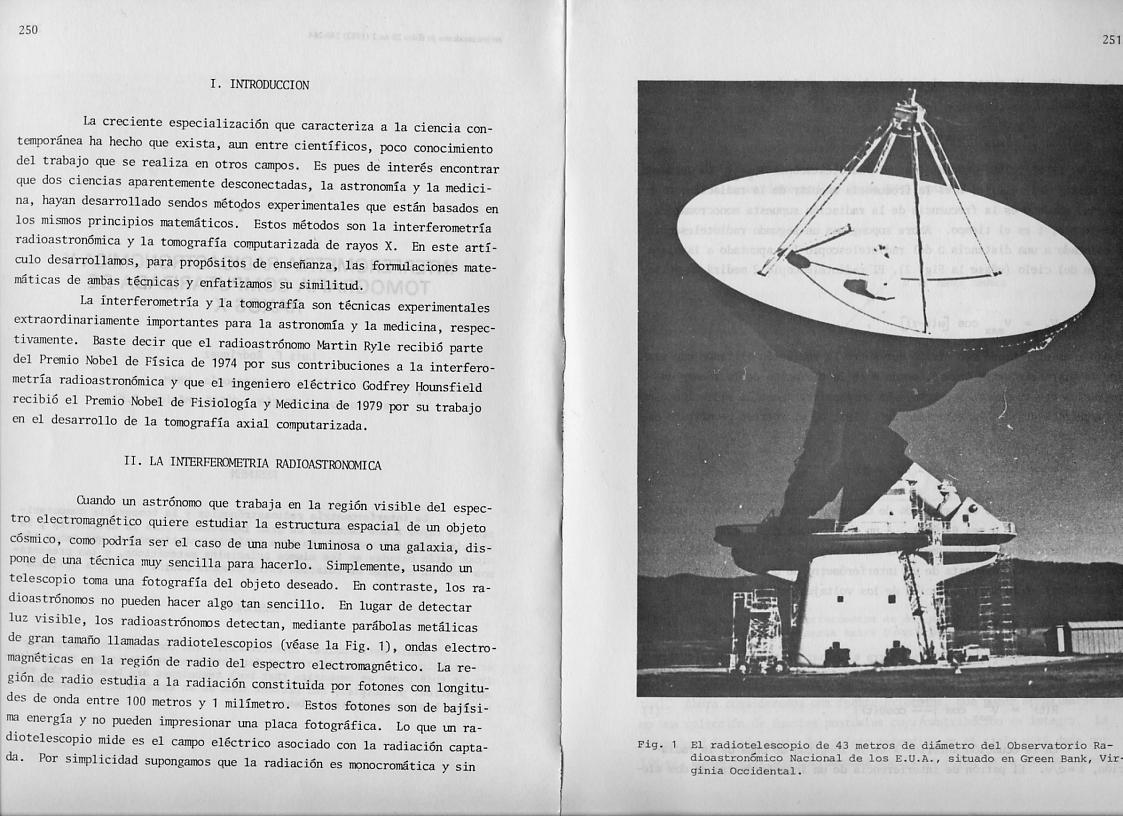
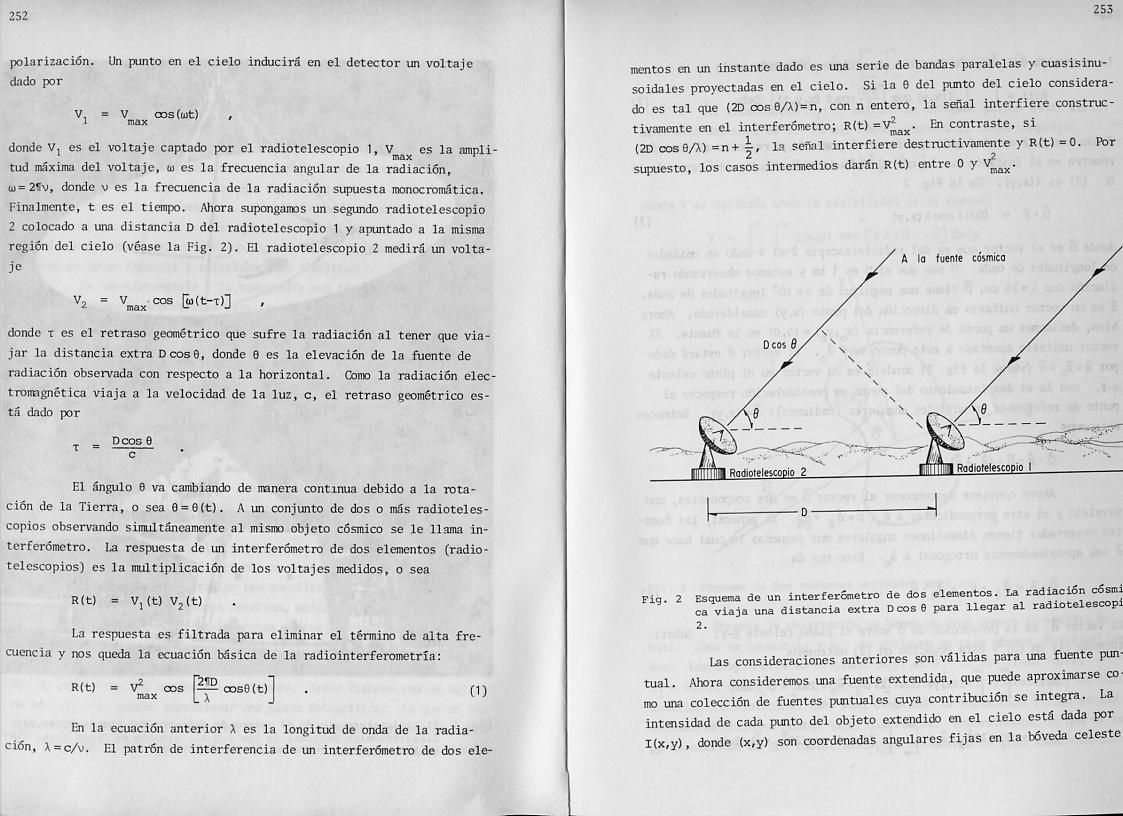
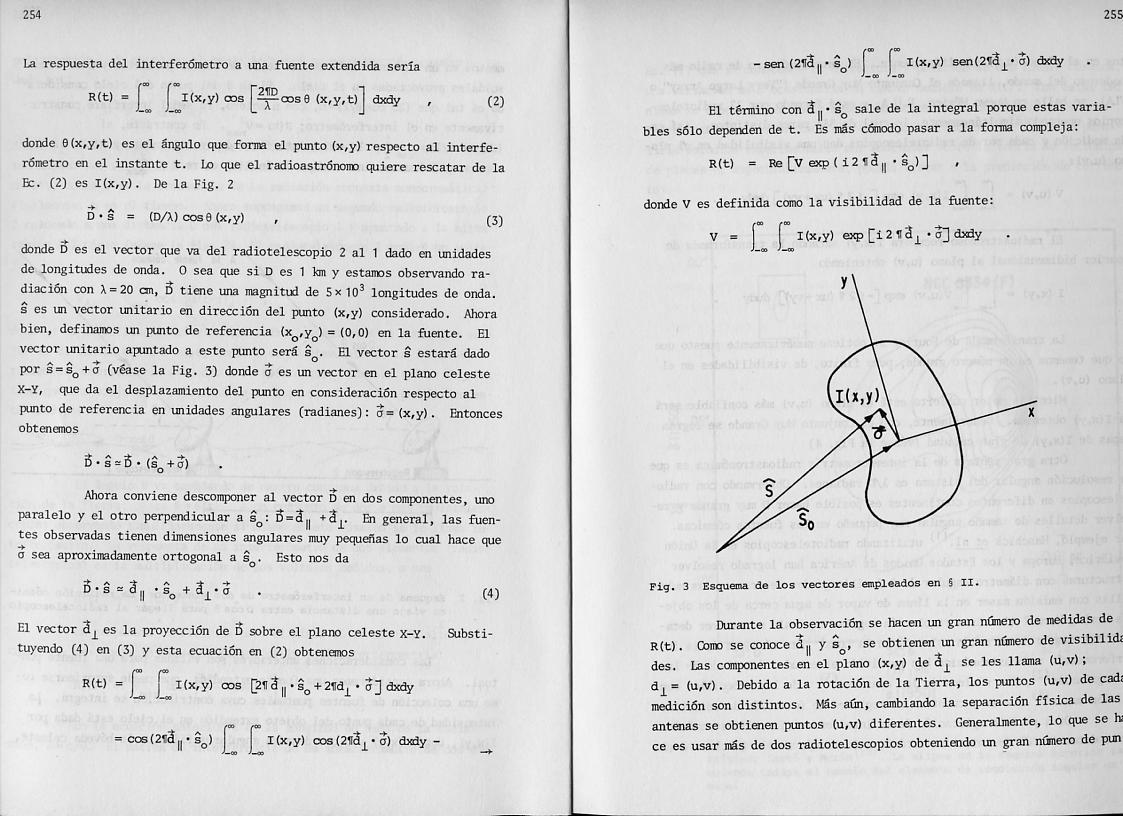
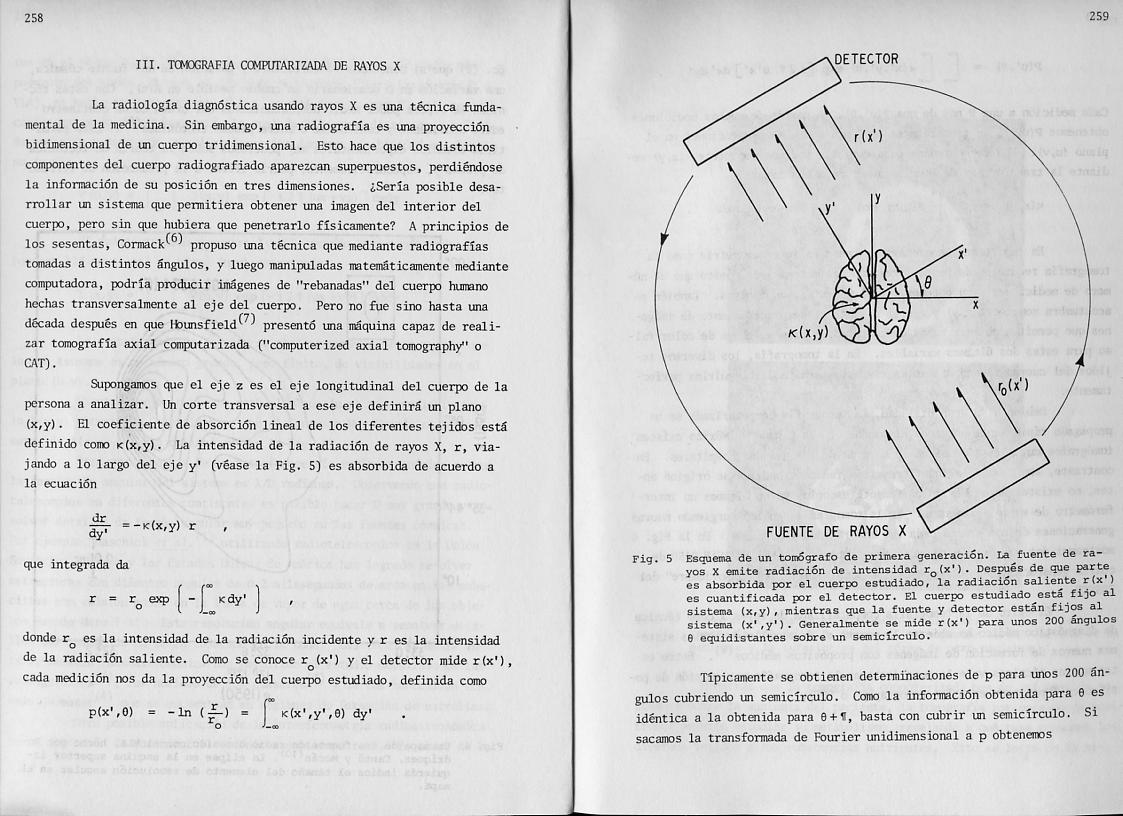
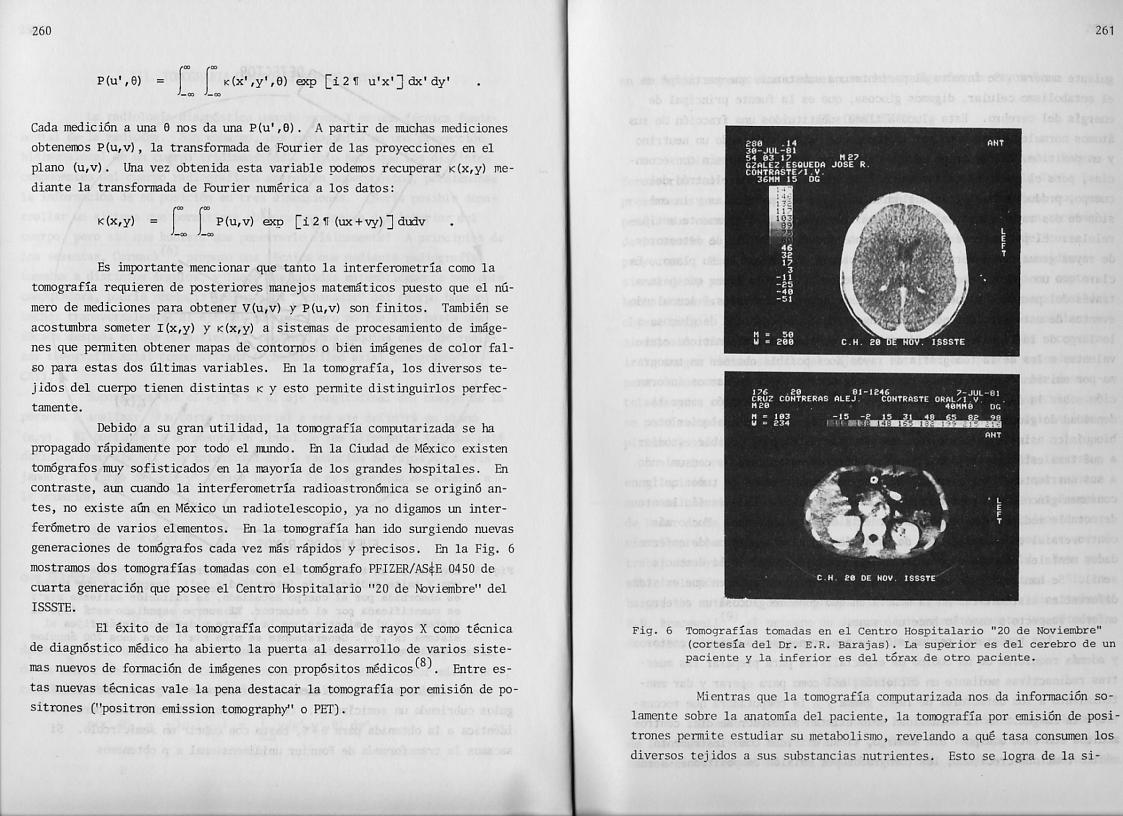
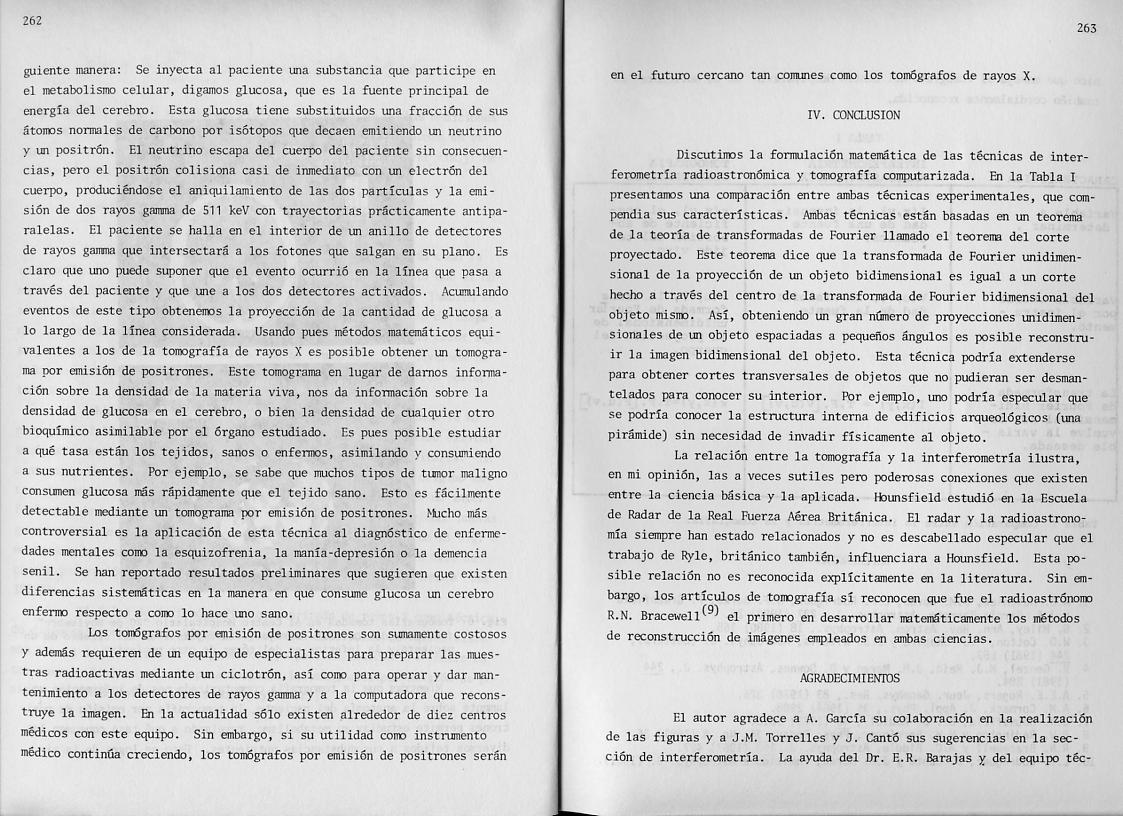
- "Interferometría Radioastronómica y
Tomografía Computarizada de Rayos X"
(Radio Astronomical
Interferometry and Computerized X Ray Tomography):
paginas
1 ,
2 ,
3 ,
4 ,
5 ,
6 ,
7 ,
8 , y
9 .
- Articulo "En Busca de la Calle de Fourier"
en pdf .
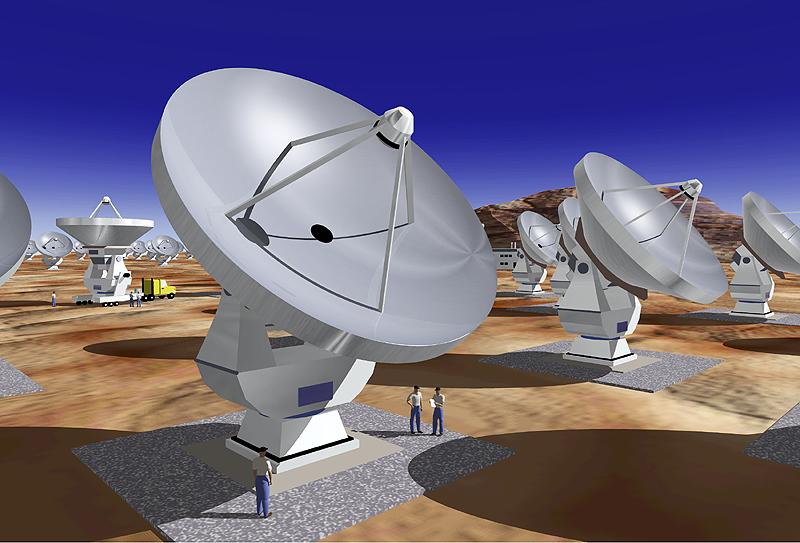
- Articulo "Observaciones Radioastronomicas de
Gas Ionizado"
en pdf .
- Articulo "Restauracion de Imagenes por el Metodo de Maxima Entropia"
en pdf .
- Resumen de conceptos de la interferometria de radio, en ps
.
- "Chorros Astrofisicos", por Raga, Rodriguez, y Canto, en pdf.
.
Presentaciones PowerPoint para divulgacion
Presentaciones PowerPoint Cientificas
Artículos de Divulgación en Español
(Popularization Articles in Spanish)
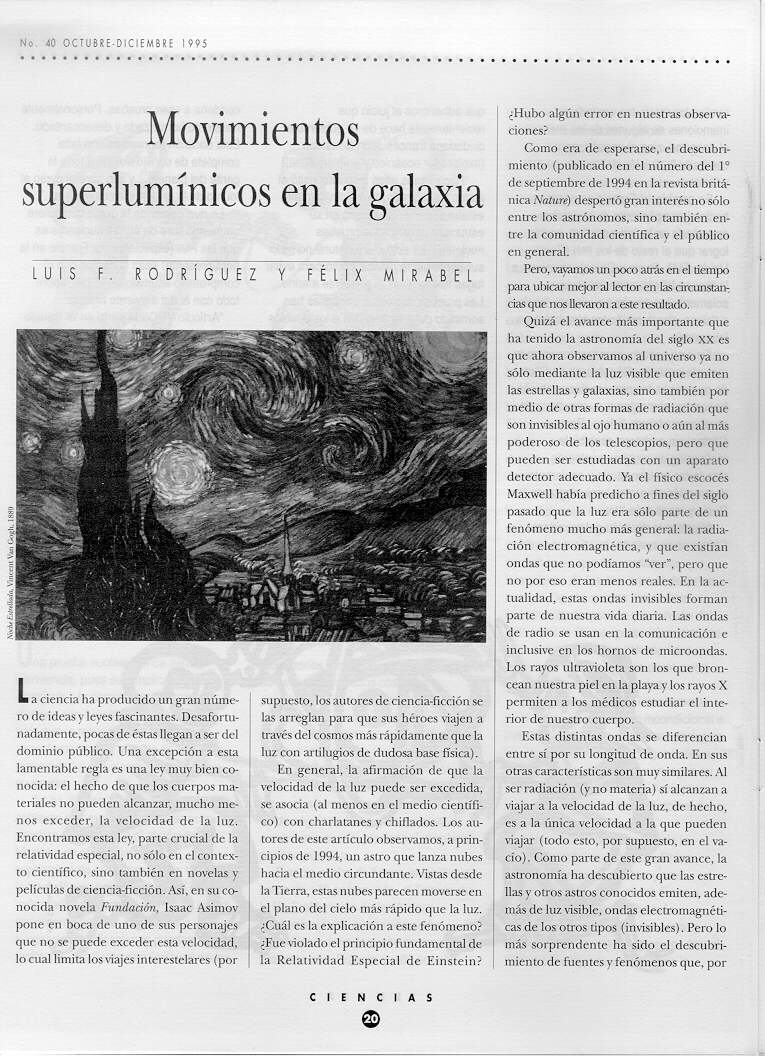
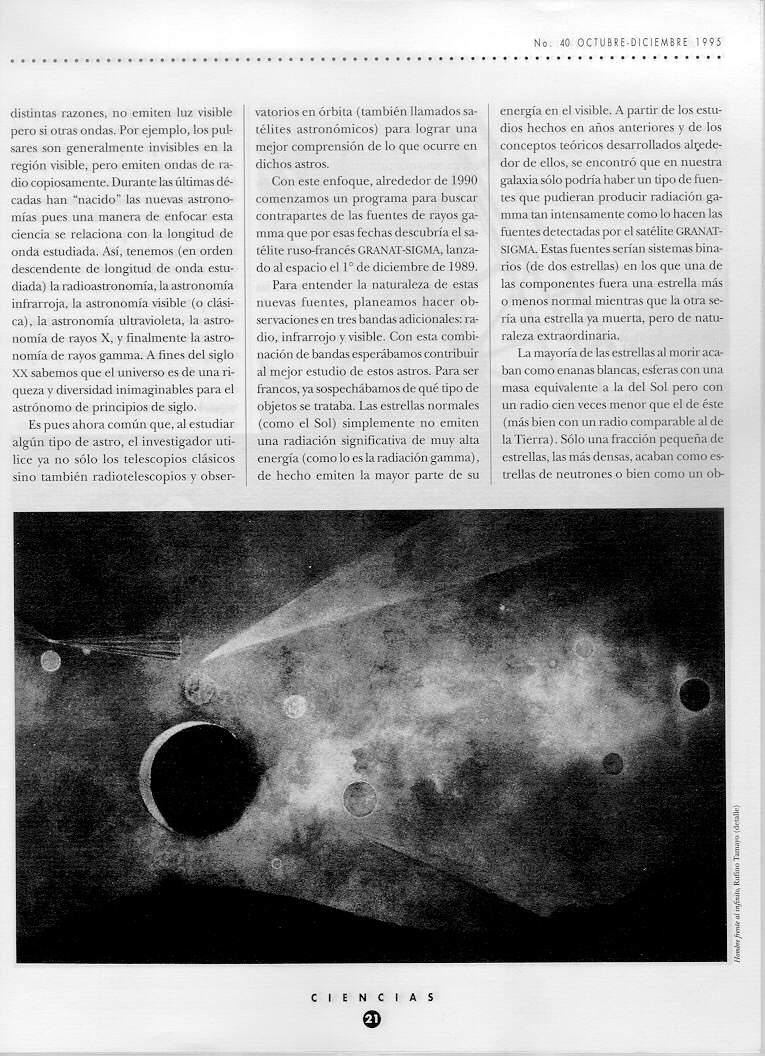
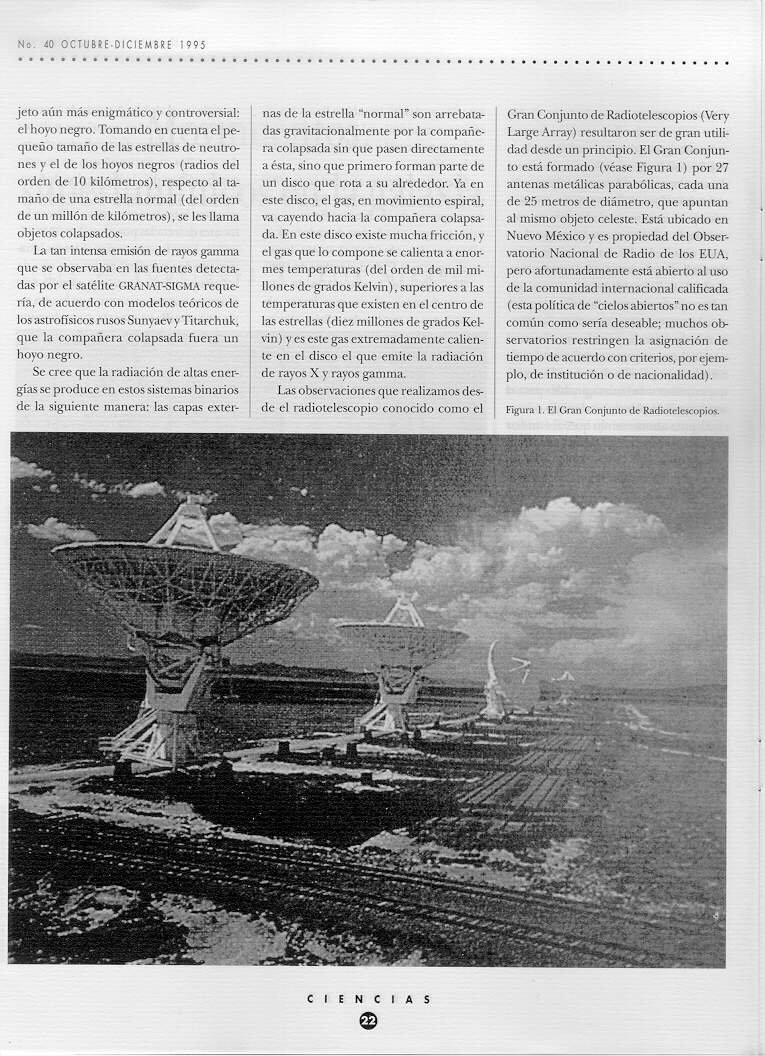
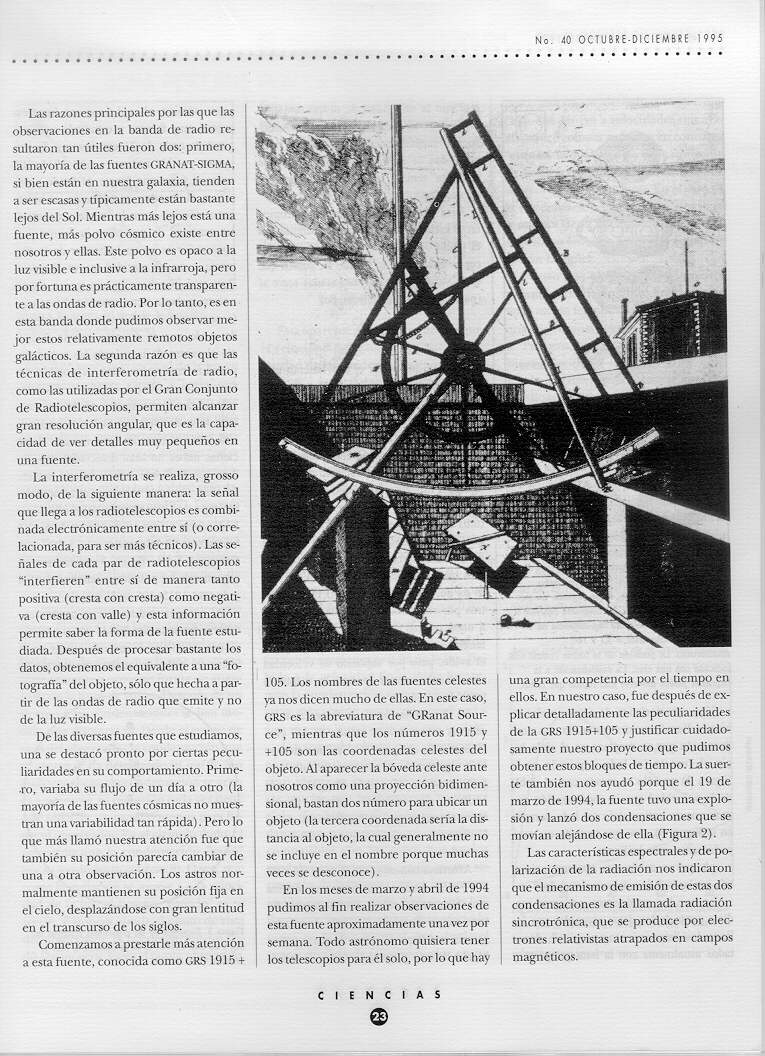
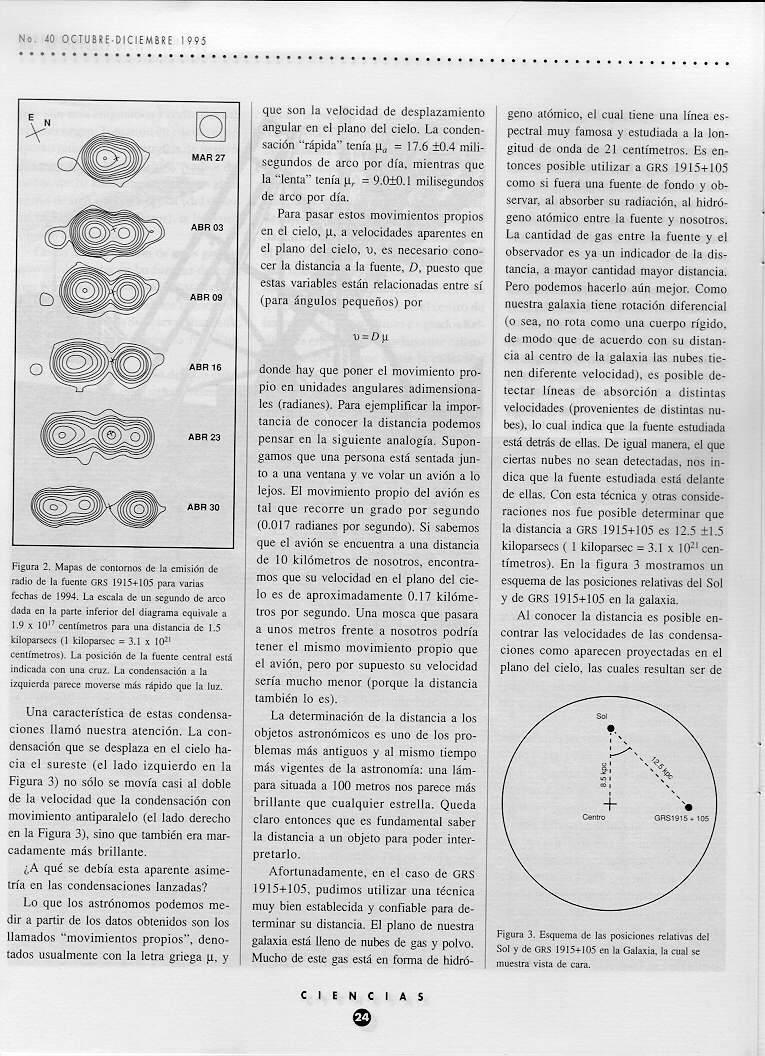
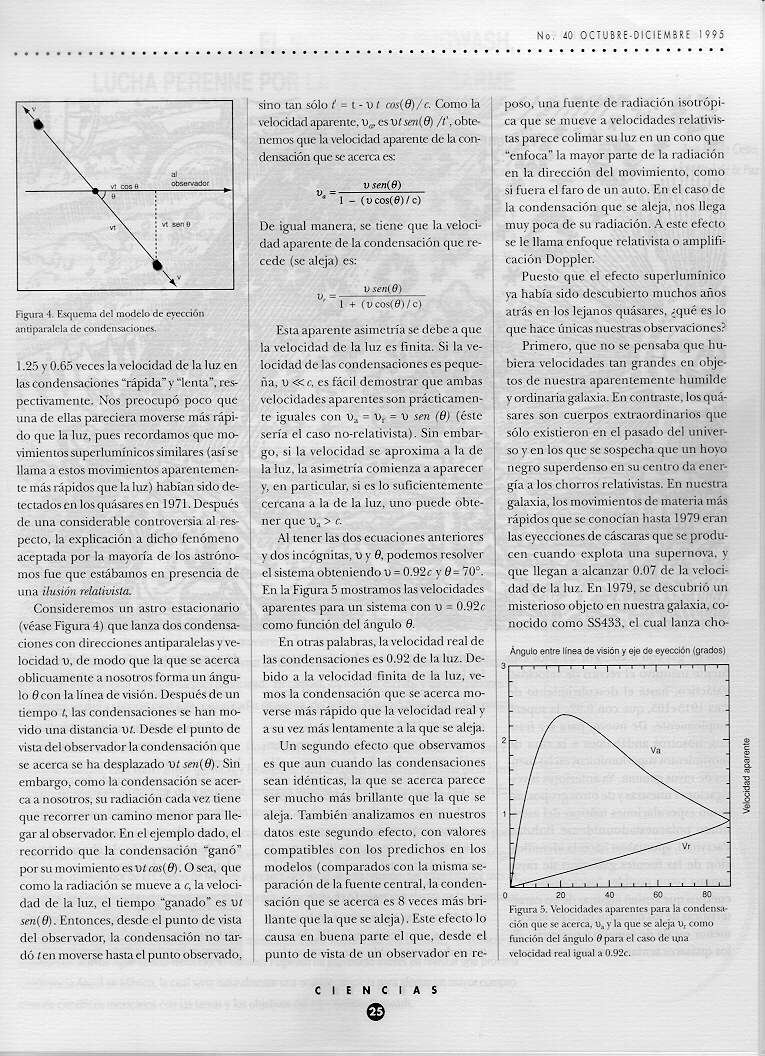
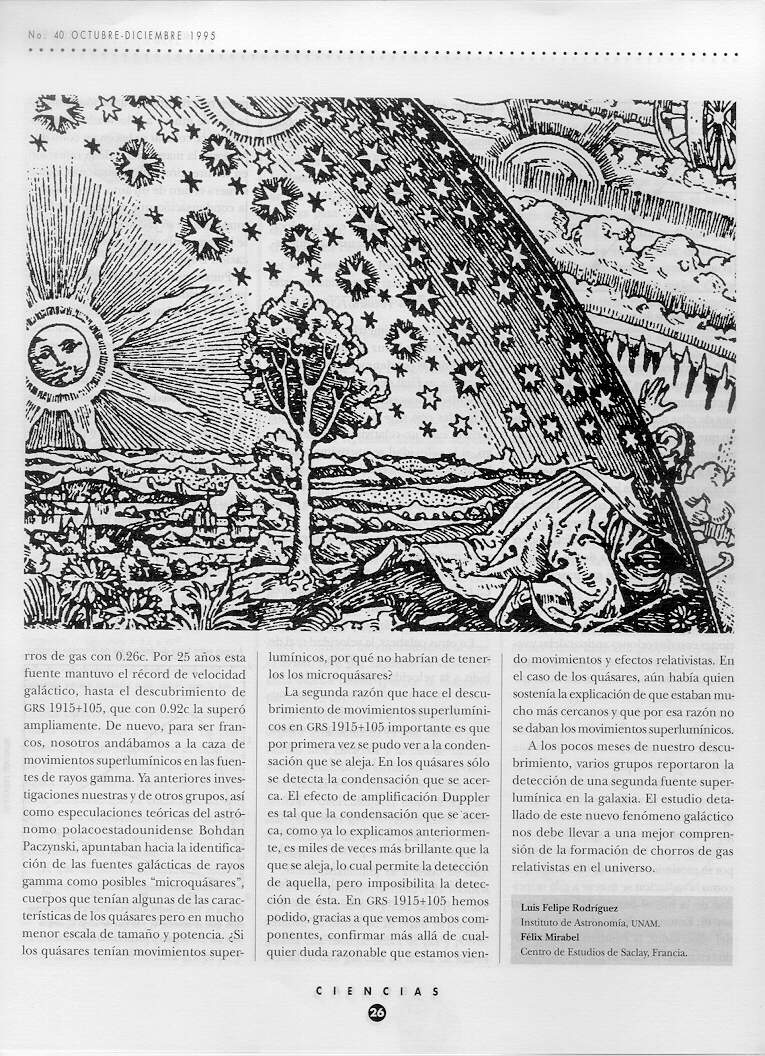
- "Movimientos Superlumínicos en la Galaxia" (Superluminal Motions in the Galaxy):
paginas
1 ,
2 ,
3 ,
4 ,
5 ,
6 , y
7 .
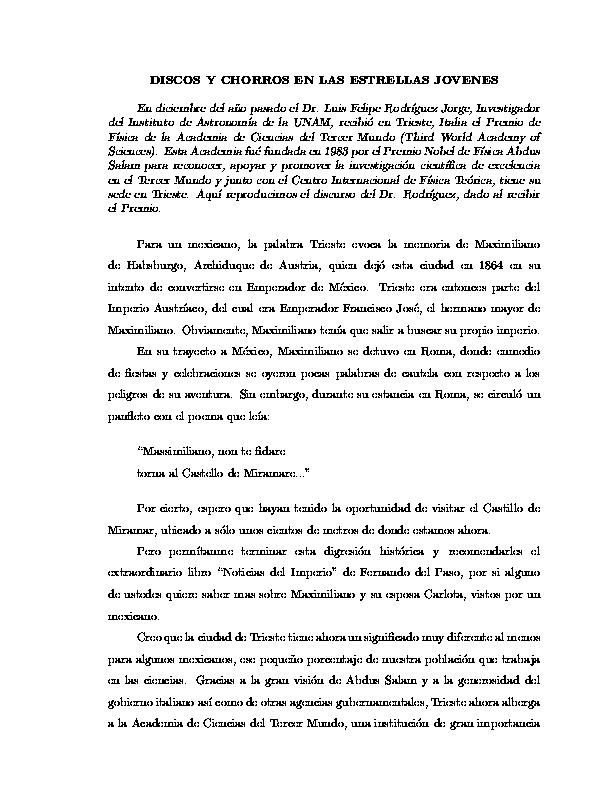
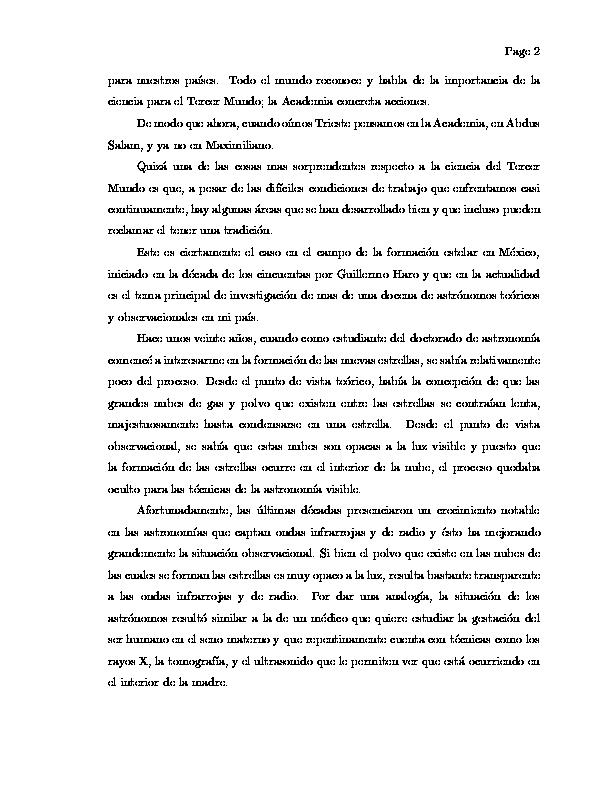
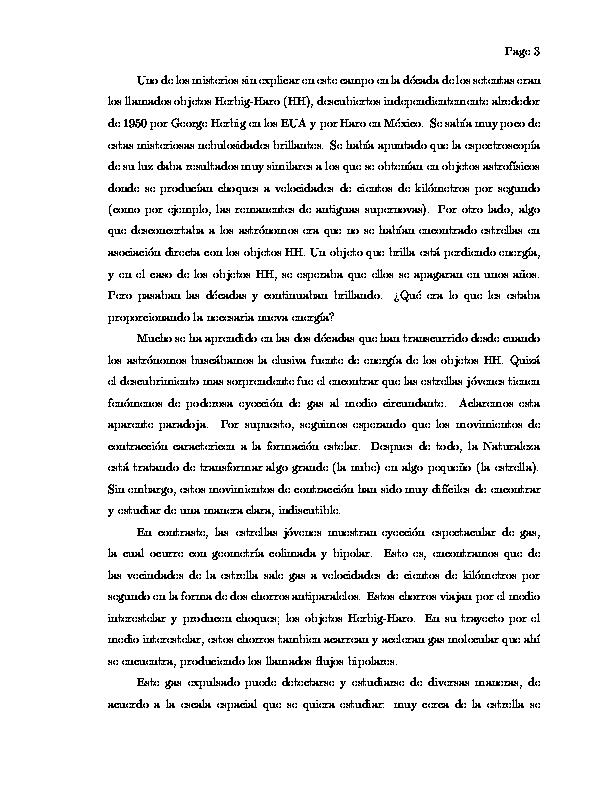
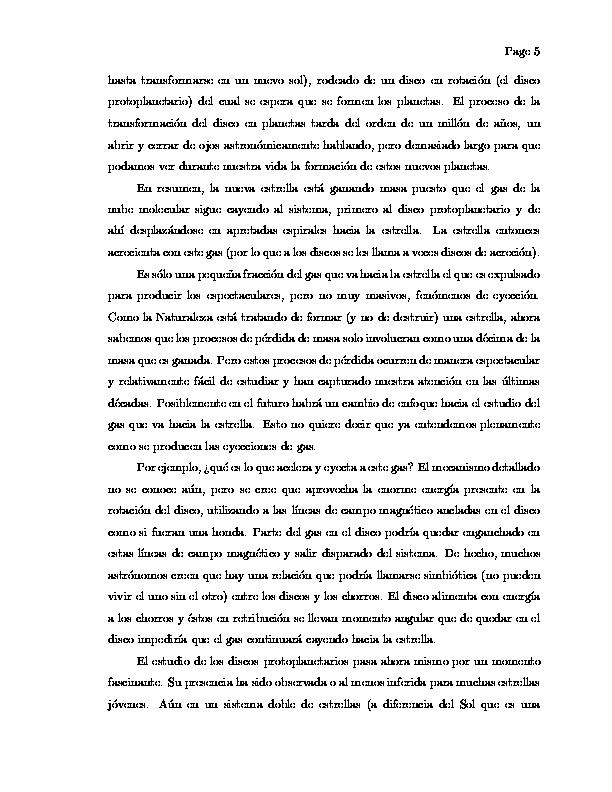
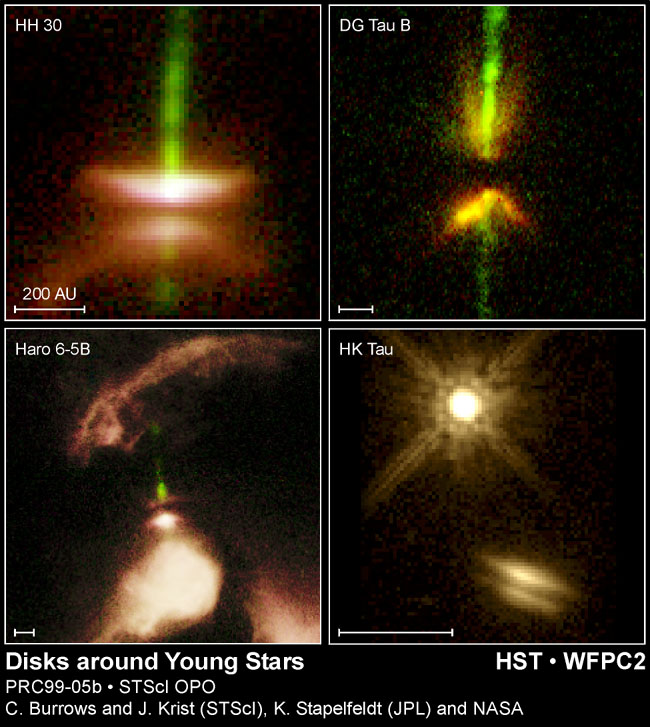
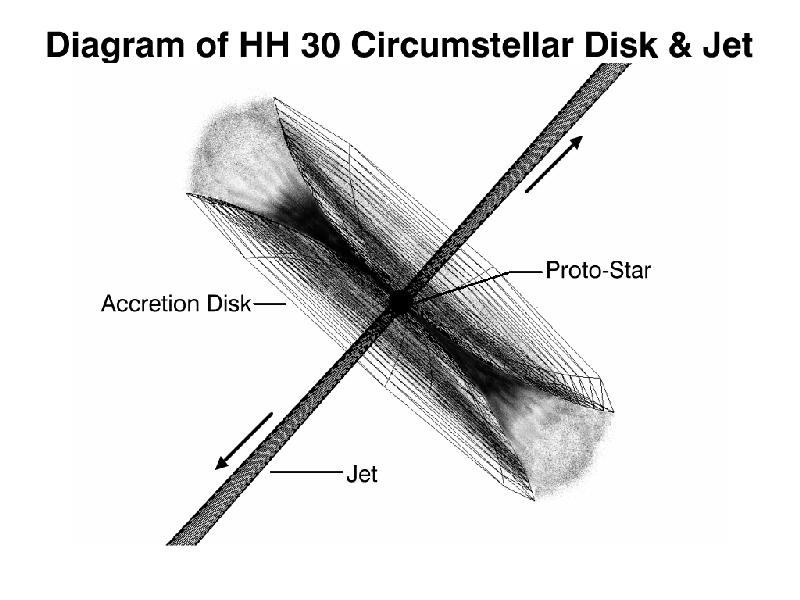
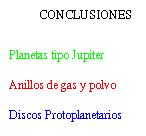
- "Discos y Chorros en las Estrellas Jóvenes"
en formato ps ,
y en formato jpg:
1 ,
2 ,
3 ,
4 ,
5 , y
6 .
- "La Astronomia entre los Mayas" (Astronomy among the Maya):
paginas
1 ,
2 ,
3 ,
4 ,
5 ,
6 ,
7 ,
8 ,
9 ,
10 , y
11 .
- "La Astronomia en Mexico:
El Pasado Reciente y los Retos del Futuro" (Astronomy in Mexico:
The Recent Past and the Challenges of the Future):
Texto en postscript ,
Figura 1 ,
Figura 2a ,
Figura 2b ,
Figura 2c ,
Figura 3 ,
Figura 4 ,
Figura 5 ,
Figura 6 .
Figura 7 .
- "Agua en el Universo" por Luis F. Rodriguez y Yolanda Gomez:
Texto en pdf .
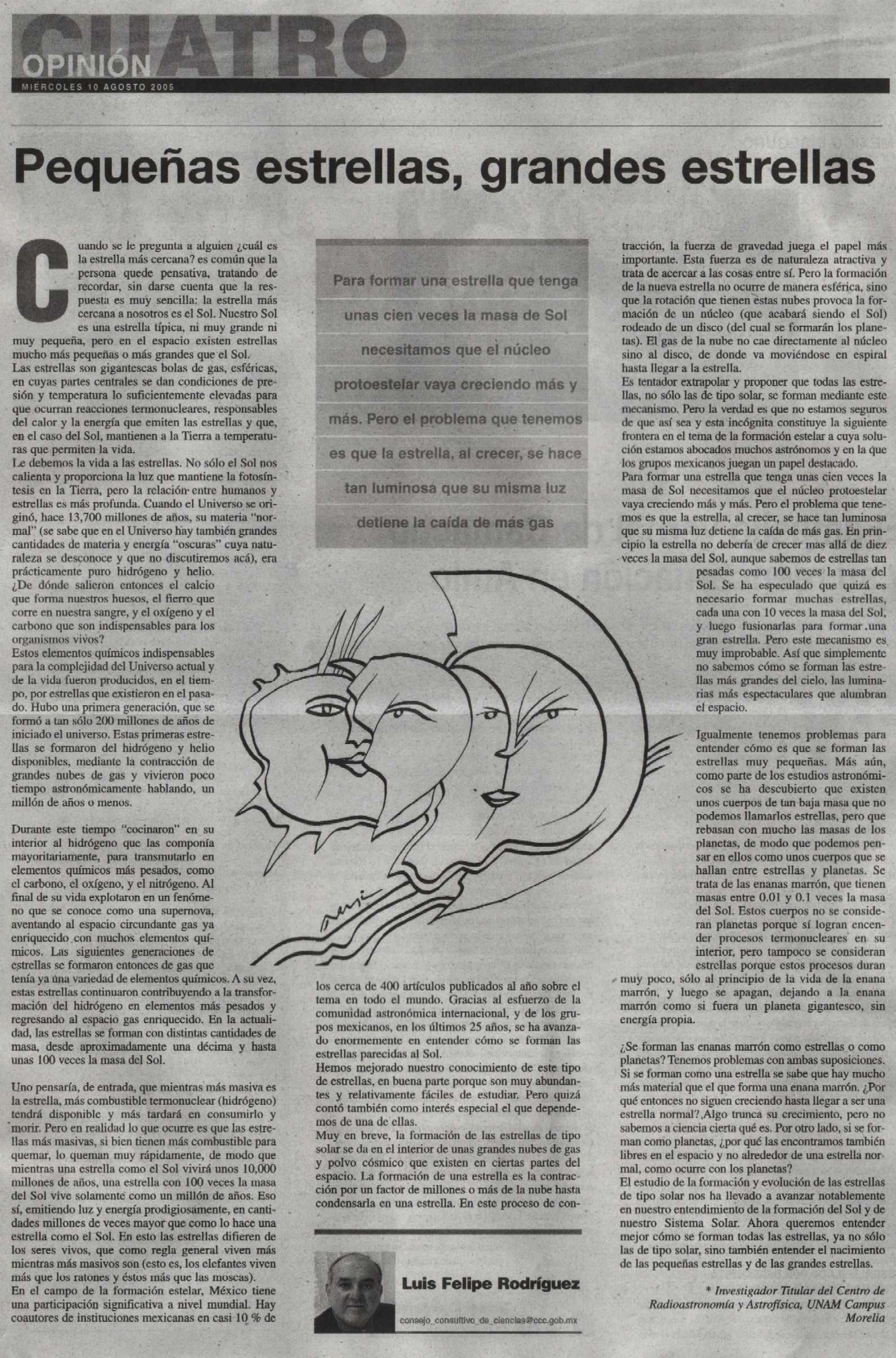
- "Peque~nas Estrellas, Grandes Estrellas" por Luis F. Rodriguez
Texto en jpg .
- "Discurso de Ingreso al Colegio Nacional" Manuel Peimbert y Luis F. Rodriguez:
Texto en pdf .
- "De la Tierra al Universo" Luis F. Rodriguez:
Texto en pdf .
- "El Nacimiento de las Estrellas" Luis F. Rodriguez:
Texto en pdf .
- "El Lado Oscuro del Universo" Luis F. Rodriguez:
Texto en pdf .
- "Los Colores Invisibles de la Astronomia" Luis F. Rodriguez:
Texto en pdf
- "?Que paso con Pluton?" Luis F. Rodriguez:
Texto en pdf
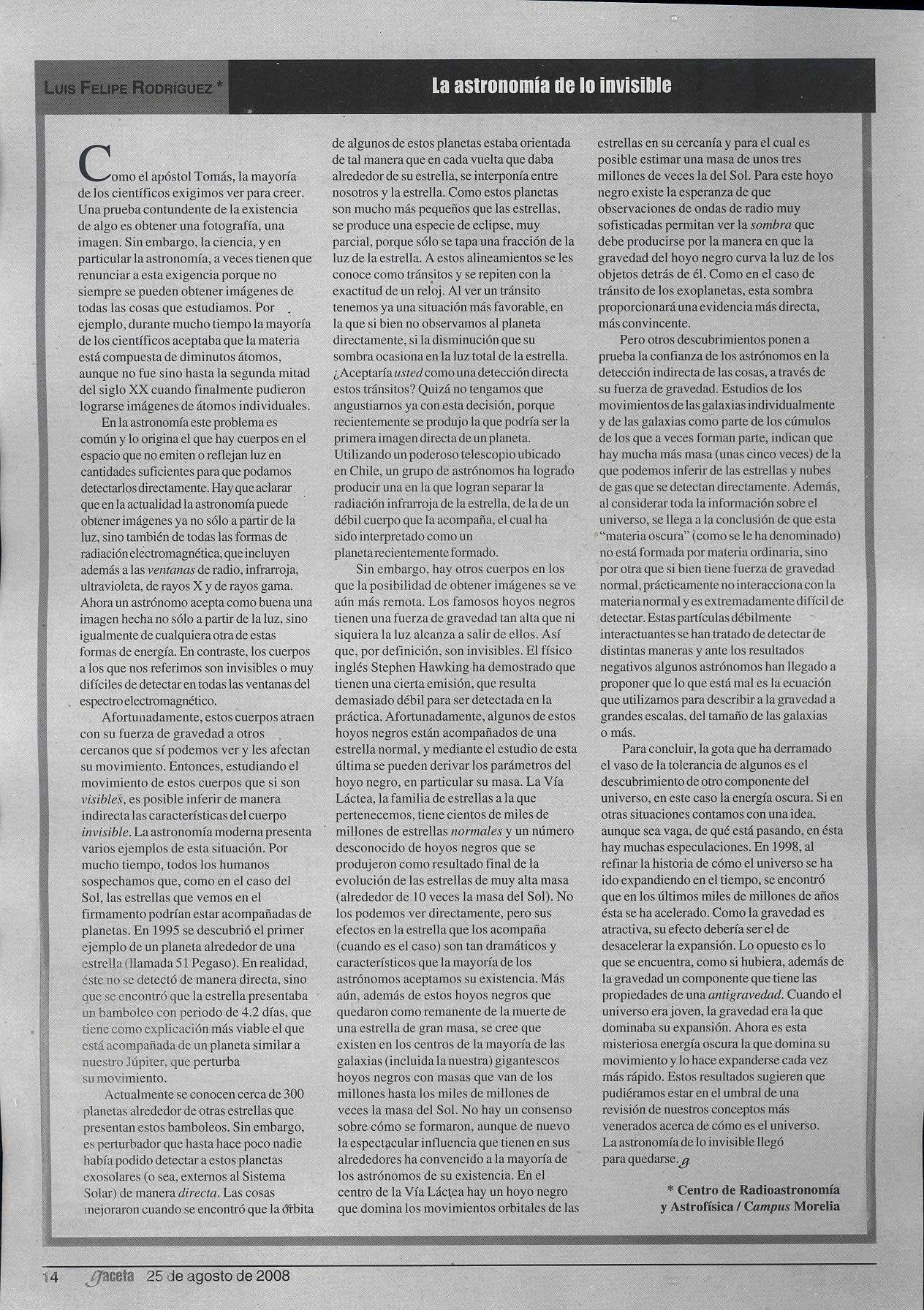
- "La Astronomia de lo Invisible" Luis F. Rodriguez:
Texto en jpg
- "El Lado Oculto del Universo" Luis F. Rodriguez:
Texto en pdf
- "La Formacion de las Estrellas a Traves del Tiempo", Luis F. Rodriguez: Texto en pdf
Artículos de Divulgación en otros idiomas
(Popularization Articles)
- "Microquasare in der Milchstrasse" (Microquasars in the Milky Way): Texto en pdf .
Ejercicios de Astronomía
La Página de CLEA (Contemporary Laboratory Experiences in Astronomy) presenta una serie de interesantes ejercicios de Astronomía que pueden instalarse en una PC. Breves manuales en español de los ejercicios "Astrometría de Asteroides" (Astrometry of Asteroids) y "La Ley de Hubble" (The Hubble Redshift-Distance Relation) pueden encontrarse acá.
Un ejercicio que relaciona el sistema GPS (Global Positioning System) con la Relatividad General, puede encontrarse acá.
Un taller para niños y jóvenes para construir un reloj de Sol está acá.
Un sencillo ejercicio que permite, con la ayuda del Sol, determinar la latitud de tu ciudad. Las instrucciones las encuentras acá.
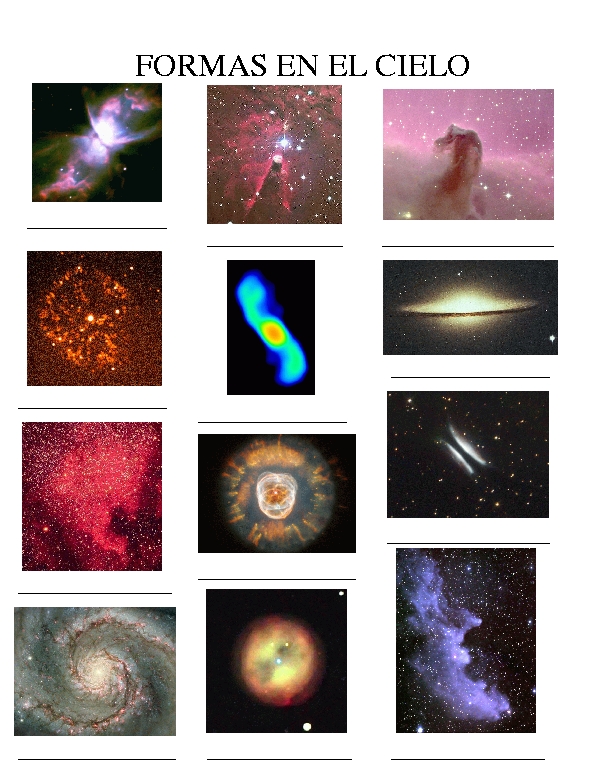
FORMAS EN EL CIELO: Un taller para niños, para que identifiquen los nombres que los astrónomos le han puesto a diferentes cuerpos celestes. La explicación la encuentras acá, y la hoja con las figuras la encuentras acá. Finalmente, acá está una presentación PowerPoint identificando cada imagen.
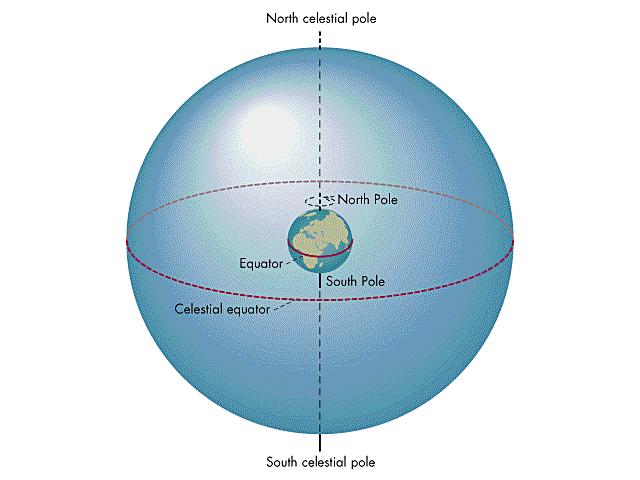
CONSTRUYE TU ASTROLABIO Y DETERMINA LA LATITUD DE TU CIUDAD: Un taller para niños, para que construyan un sencillo astrolabio y con el determinen la elevación de la Estrella Polar y por lo tanto la latitud de su ciudad. La explicación la encuentras acá.
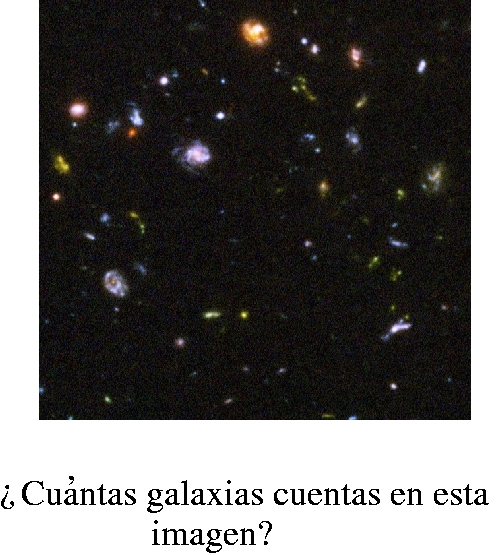
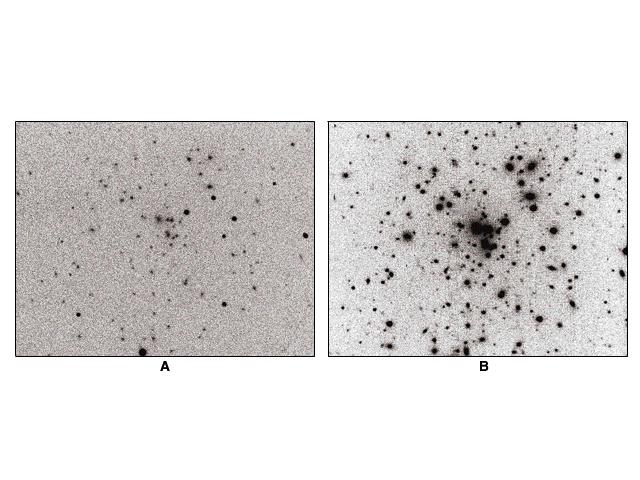
?Cuantas estrellas hay en el Universo?: Un taller para niños, para que a partir de esta imagen, determinen el numero de estrellas en el Universo. El ejercicio esta explicado en esta presentacion PowerPoint. La presentacion PowerPoint requiere de esta fabulosa animacion del satelite WMAP.
Astronomy Books in Spanish
- "Un Universo en Expansion" (An Expanding Universe): A popularization book that introduces the reader to astronomy in general.
- "Formacion Estelar" (Star Formation): An introductory book for the graduate level, edited by Luis F. Rodriguez, that includes review articles by iberoamerican specialists Jose Franco, Guido Garay, Irene Cruz-Gonzalez, Susana Lizano, Jose M. Torrelles, and Nuria Calvet. Both books have been published by the mexican publishing house "Fondo de Cultura Economica" and to find out how to purchase these books click here.
Curriculum Vitae en Español
Curriculum Vitae in English
Entrevista con Elena Poniatowska
Color Images
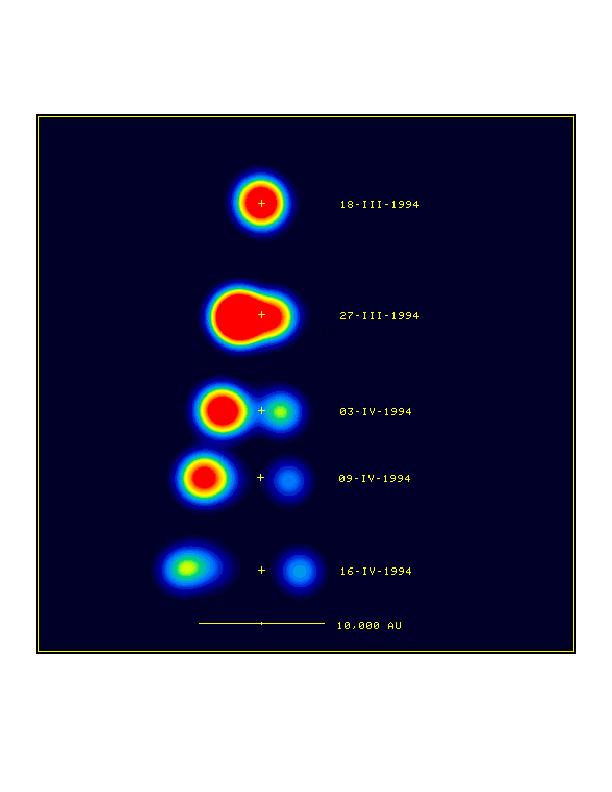
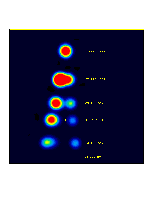 GRS 1915+105, the
first superluminal source detected
in the Galaxy in a sequence of 3.6-cm images that shows its ejecta moving in the sky.
The images were taken with
the Very Large Array in the A configuration with an angular resolution of 0.2 arc sec.
See Mirabel and Rodriguez (1994, Nature, 371, 46).
Click here
for an animation of the superluminal source, and
here to see the first problem of
the 1998 International Physics Olympiad, based on our results
for this source.
GRS 1915+105 is considered to be the prototype of a
microquasar, and to see a graph comparing a
quasar with a microquasar, click
here.
GRS 1915+105, the
first superluminal source detected
in the Galaxy in a sequence of 3.6-cm images that shows its ejecta moving in the sky.
The images were taken with
the Very Large Array in the A configuration with an angular resolution of 0.2 arc sec.
See Mirabel and Rodriguez (1994, Nature, 371, 46).
Click here
for an animation of the superluminal source, and
here to see the first problem of
the 1998 International Physics Olympiad, based on our results
for this source.
GRS 1915+105 is considered to be the prototype of a
microquasar, and to see a graph comparing a
quasar with a microquasar, click
here.
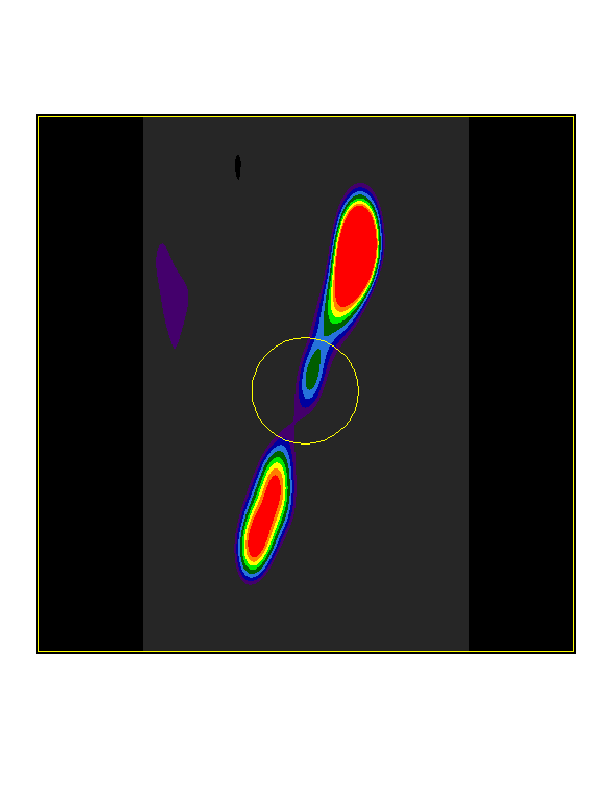
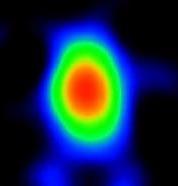
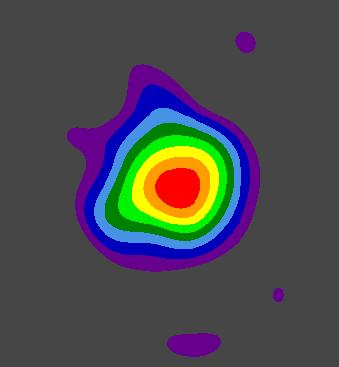
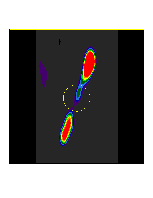 The Great Annihilator
observed with the
Very Large Array at 6-cm in the C configuration (angular resolution of 3 arc sec).
The ROSAT error circle is shown. See Mirabel et al. (1992, Nature, 358, 215).
The Great Annihilator
observed with the
Very Large Array at 6-cm in the C configuration (angular resolution of 3 arc sec).
The ROSAT error circle is shown. See Mirabel et al. (1992, Nature, 358, 215).
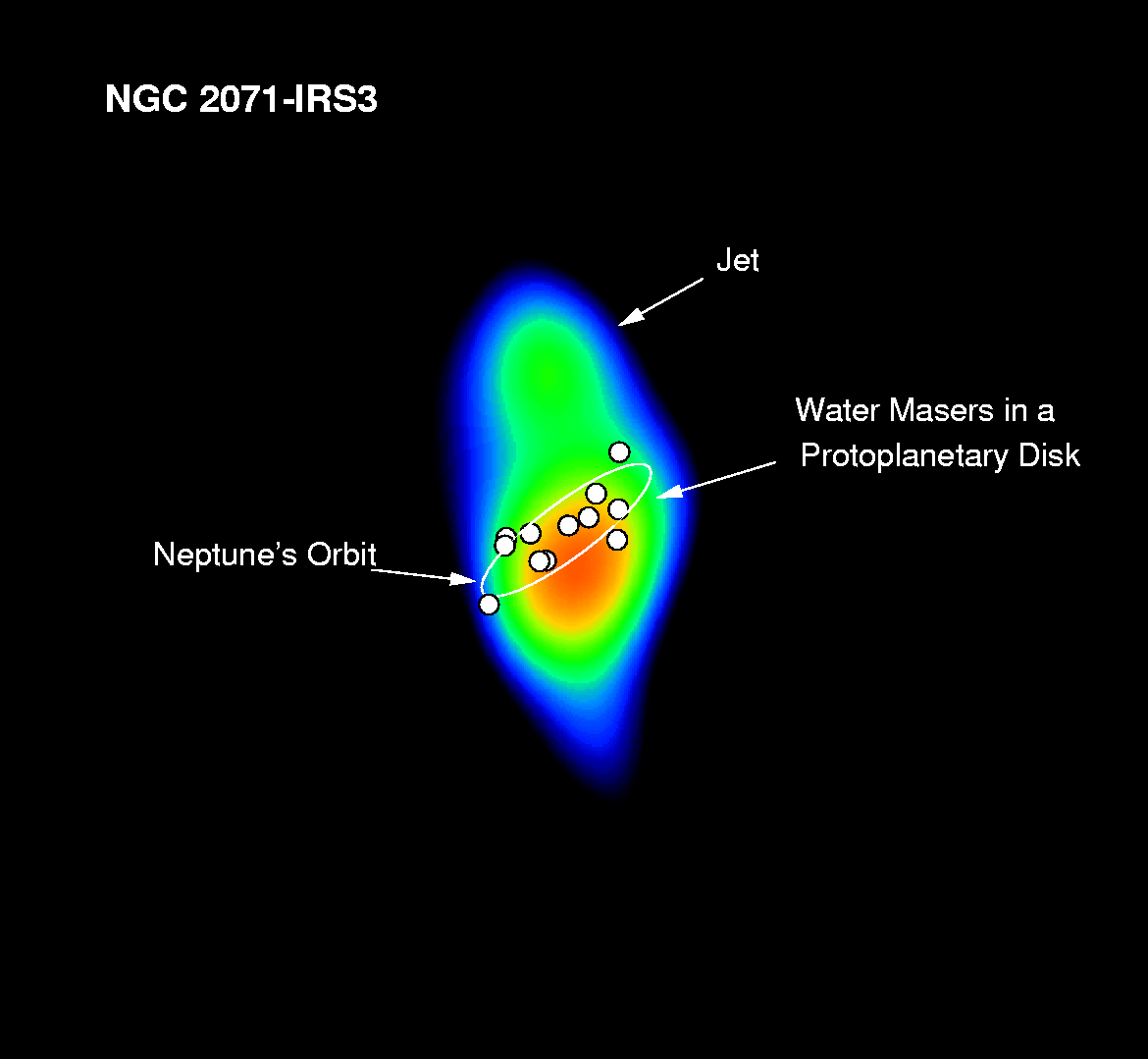
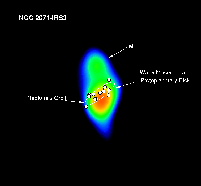 This image of the young star NGC 2071 IRS3 shows in color the
free-free emission from the ionized jet that emanates
from the source and as white dots the positions of water masers
that appear to be tracing a protoplanetary disk with a radius
of 20 AU.
See Torrelles et al (1998, ApJ, 505, 756).
This image of the young star NGC 2071 IRS3 shows in color the
free-free emission from the ionized jet that emanates
from the source and as white dots the positions of water masers
that appear to be tracing a protoplanetary disk with a radius
of 20 AU.
See Torrelles et al (1998, ApJ, 505, 756).
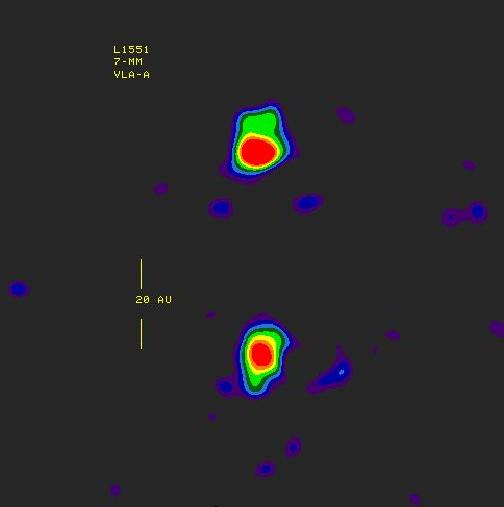
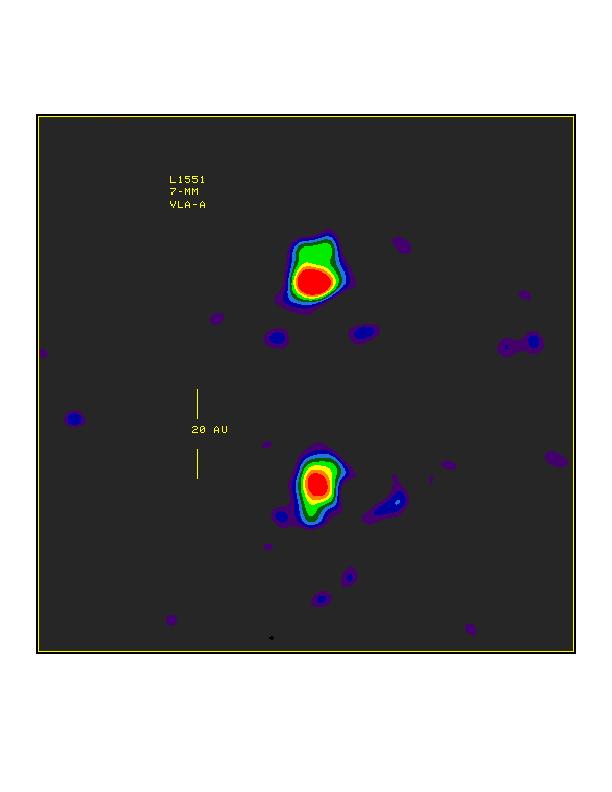
 This image of the core of the L1551 region, obtained
with the unprecedented angular resolution of 50 milliarc seconds
(7 AU at the source) shows a binary system
of compact protoplanetary disks. These disks have radii
of about 10 AU, about an order of magnitude smaller than
the classic protoplanetary disks found in other regions.
The small size is most probably produced by tidal truncation.
These disks are too small to form outer, icy planets like
Neptune and Pluto.
However, they have enough mass and size to
produce terrestrial planets.
See Rodriguez et al (1998, Nature, 395, 355).
This image of the core of the L1551 region, obtained
with the unprecedented angular resolution of 50 milliarc seconds
(7 AU at the source) shows a binary system
of compact protoplanetary disks. These disks have radii
of about 10 AU, about an order of magnitude smaller than
the classic protoplanetary disks found in other regions.
The small size is most probably produced by tidal truncation.
These disks are too small to form outer, icy planets like
Neptune and Pluto.
However, they have enough mass and size to
produce terrestrial planets.
See Rodriguez et al (1998, Nature, 395, 355).
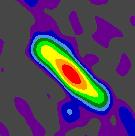 Young stars show collimated, bipolar outflows of ionized gas
known as thermal jets. Cep A HW2 is one of the best examples.
Young stars show collimated, bipolar outflows of ionized gas
known as thermal jets. Cep A HW2 is one of the best examples.
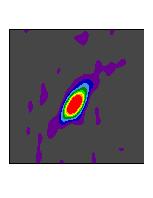 Another example of a collimated, bipolar outflows of ionized gas
from a young star is the source that drives the classic HH 1-2 system.
Another example of a collimated, bipolar outflows of ionized gas
from a young star is the source that drives the classic HH 1-2 system.
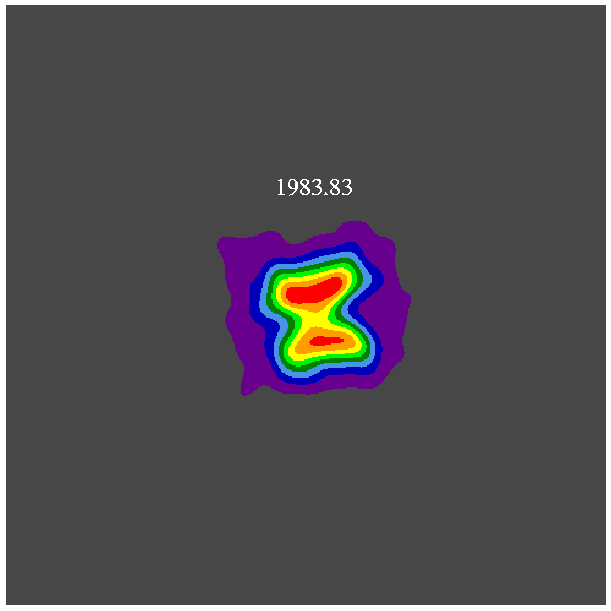
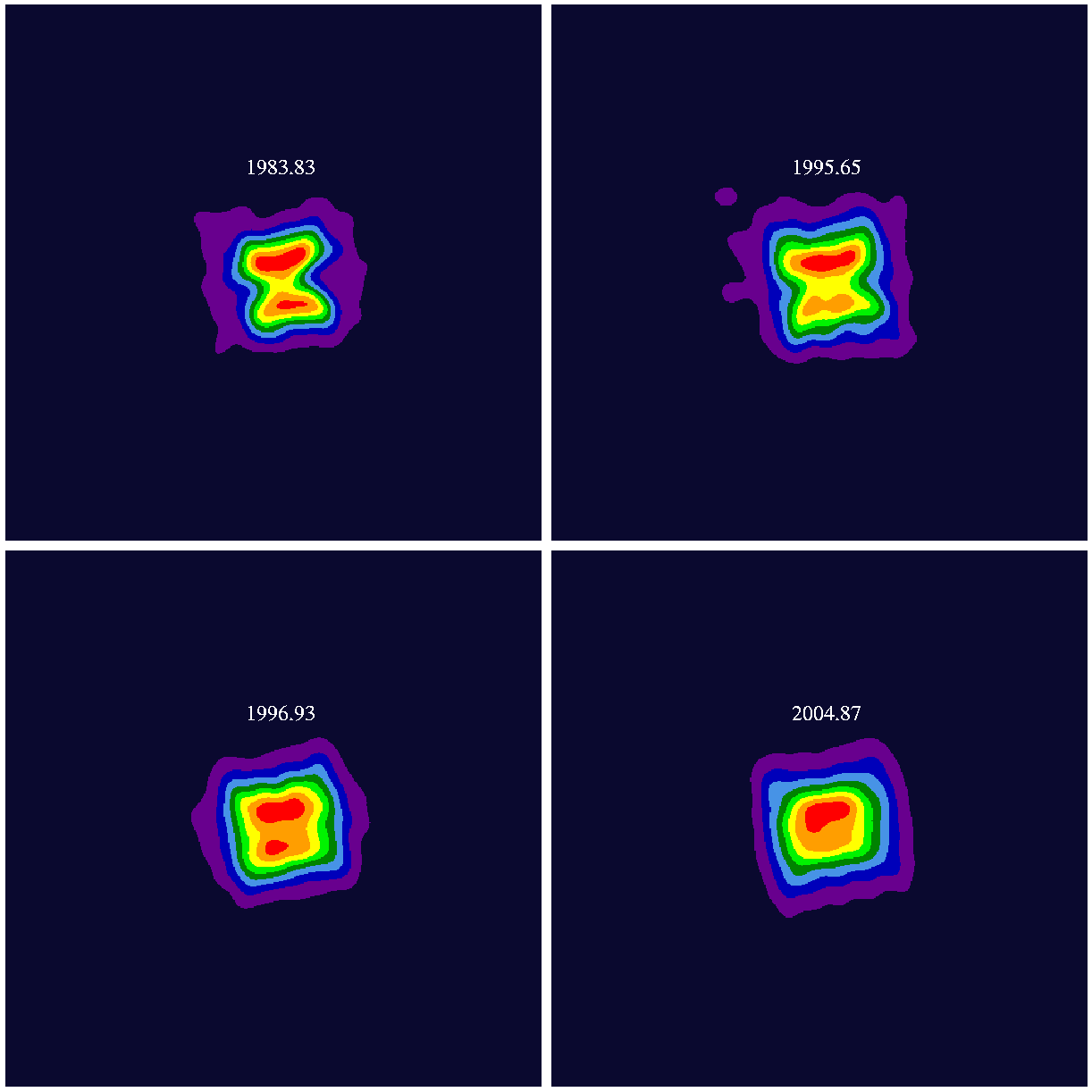
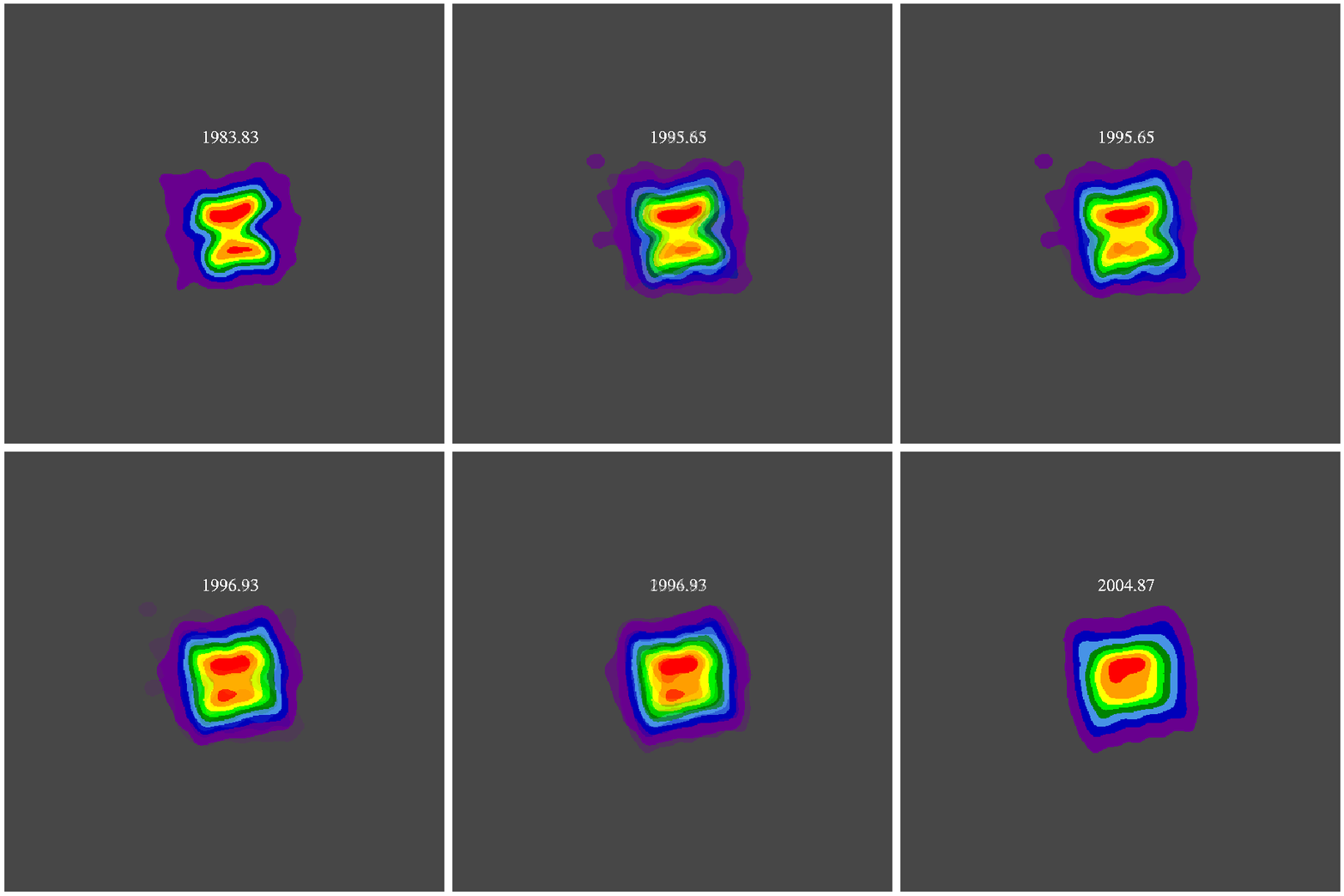
 H II regions sometimes show a bipolar morphology,
as in the case of NGC~6334A (Rodríguez, Cantó, and
Moran, 1988, ApJ, 333, 801). This radio image, taken
with the VLA at 6-cm, shows the nebula having a shell-like
core and extending in the
north-south direction for about 1 parsec.
H II regions sometimes show a bipolar morphology,
as in the case of NGC~6334A (Rodríguez, Cantó, and
Moran, 1988, ApJ, 333, 801). This radio image, taken
with the VLA at 6-cm, shows the nebula having a shell-like
core and extending in the
north-south direction for about 1 parsec.
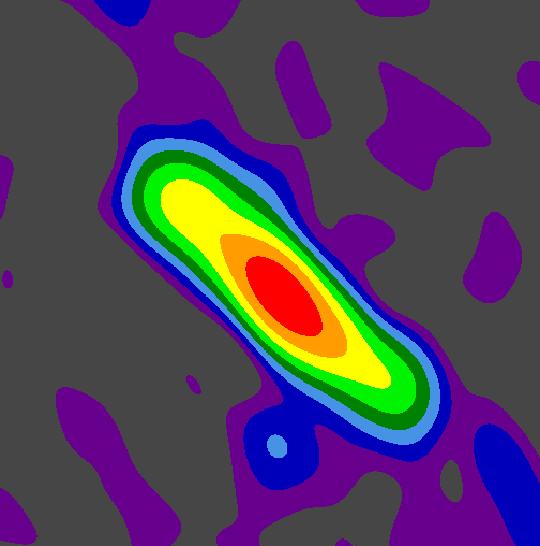
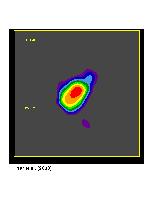 This VLA image made at the wavelength of 7-mm shows
the protoplanetary disk around the young star HL Tau.
This VLA image made at the wavelength of 7-mm shows
the protoplanetary disk around the young star HL Tau.
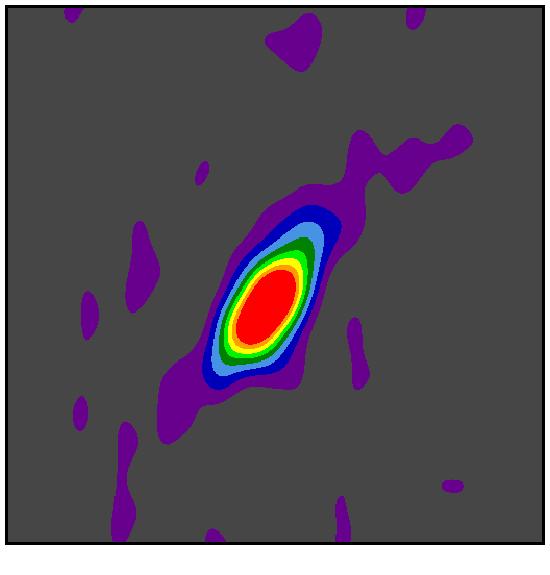
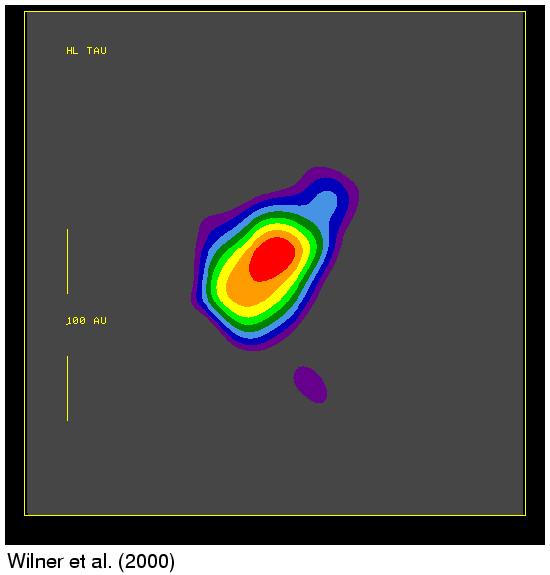
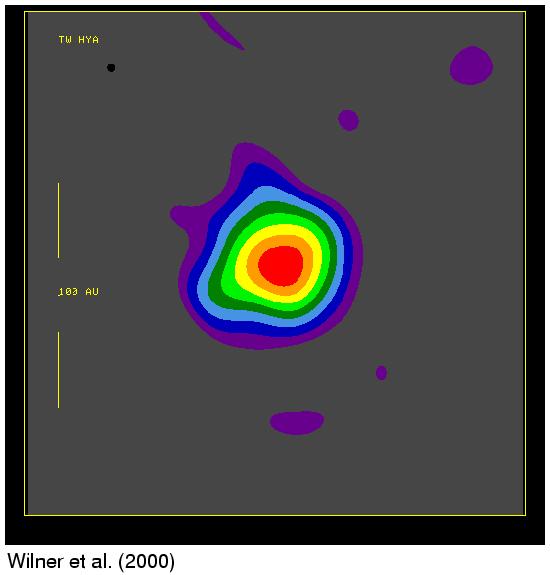
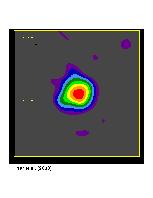 This VLA image made at the wavelength of 7-mm shows
the protoplanetary disk around the young star TW Hya,
possibly the nearest analog to our solar nebula.
This disk is seen nearly face-on and it looks round
in the image (Wilner et al. 2000, ApJL, 534, L101).
This VLA image made at the wavelength of 7-mm shows
the protoplanetary disk around the young star TW Hya,
possibly the nearest analog to our solar nebula.
This disk is seen nearly face-on and it looks round
in the image (Wilner et al. 2000, ApJL, 534, L101).
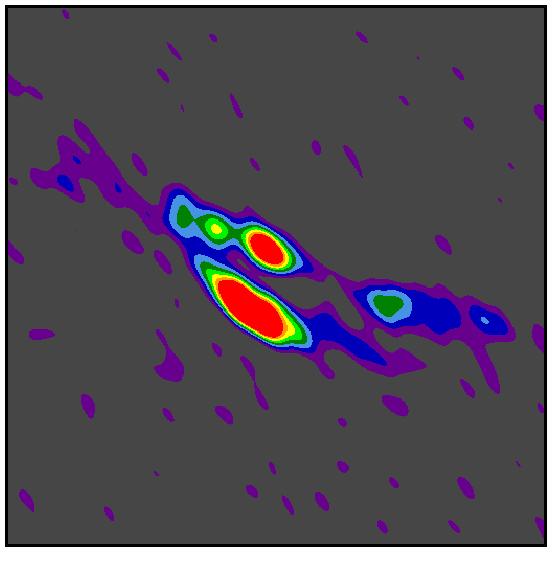
 This VLA image made at the wavelength of 3.6-cm shows
to the left the binary jet system associated with HH 111.
To the right there is fainter source that signals the
position of a third young star.
It has been proposed that this was originally
an unstable
non-hierarchical triple system from which
the star to the right was ejected (Reipurth et al.
1999, A&A, 352, L83).
This VLA image made at the wavelength of 3.6-cm shows
to the left the binary jet system associated with HH 111.
To the right there is fainter source that signals the
position of a third young star.
It has been proposed that this was originally
an unstable
non-hierarchical triple system from which
the star to the right was ejected (Reipurth et al.
1999, A&A, 352, L83).
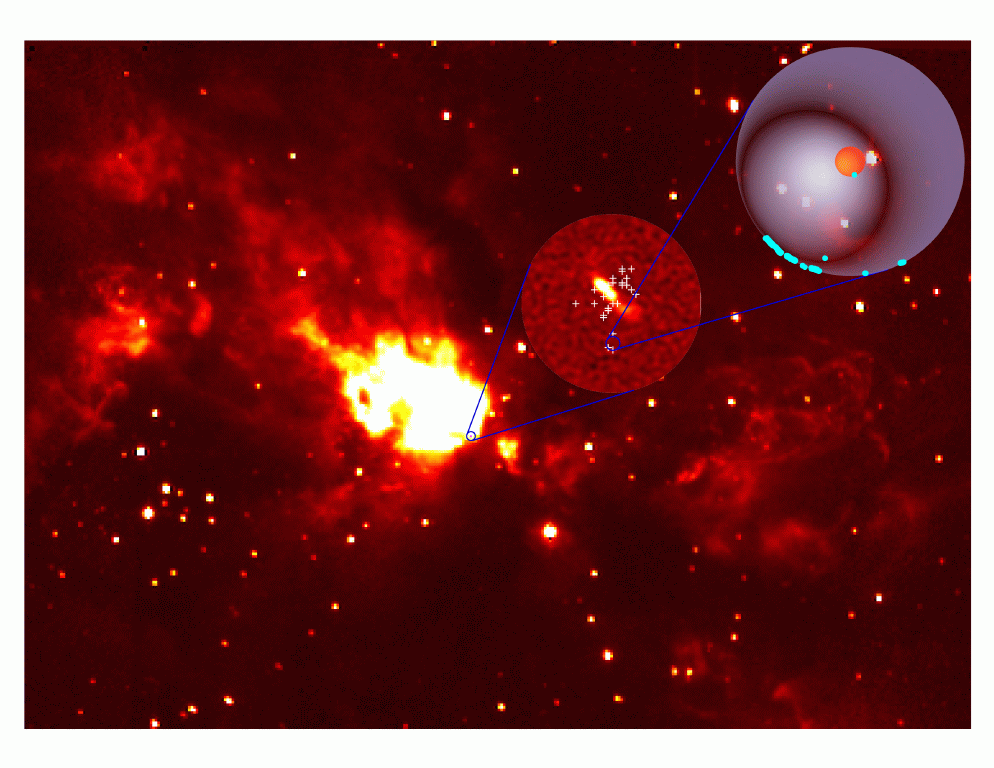
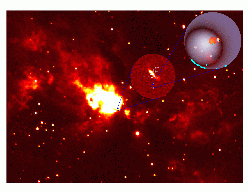 This composite image shows in the background an infrared image
of the star-forming region Cep A. The first blow-up
shows the thermal jet in the region. The second blow-up shows
an artistic representation of the
enigmatic bubble that is detected in water maser emission
(Torrelles et al. 2001, Nature, 411, 277).
This composite image shows in the background an infrared image
of the star-forming region Cep A. The first blow-up
shows the thermal jet in the region. The second blow-up shows
an artistic representation of the
enigmatic bubble that is detected in water maser emission
(Torrelles et al. 2001, Nature, 411, 277).
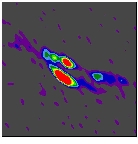 This high-angular resolution image, made with the Very Large Array and the Pie Town
antenna of the Very Long Baseline Array, clearly shows
that the jet in L1551 IRS5 is binary.
(Rodriguez et al. 2003, ApJ, 586, L137).
This high-angular resolution image, made with the Very Large Array and the Pie Town
antenna of the Very Long Baseline Array, clearly shows
that the jet in L1551 IRS5 is binary.
(Rodriguez et al. 2003, ApJ, 586, L137).
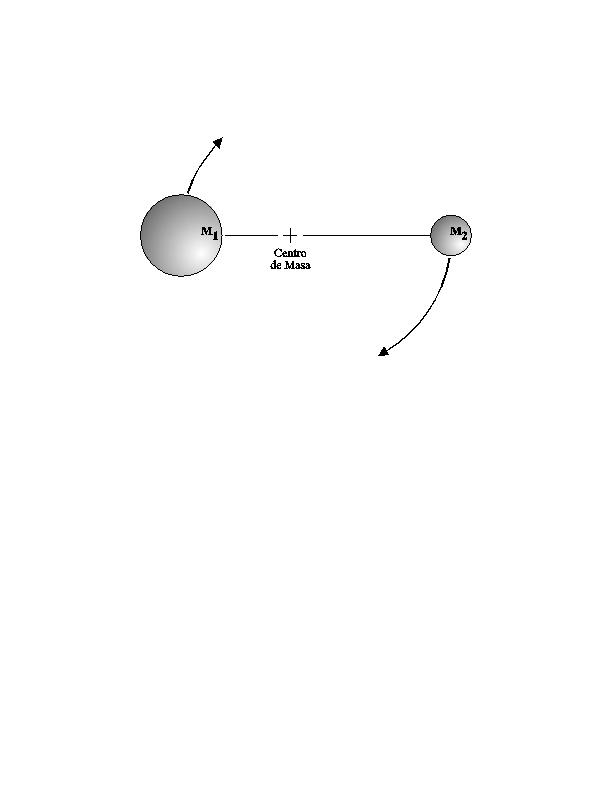
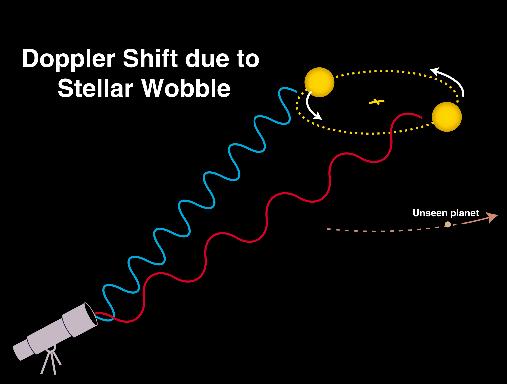
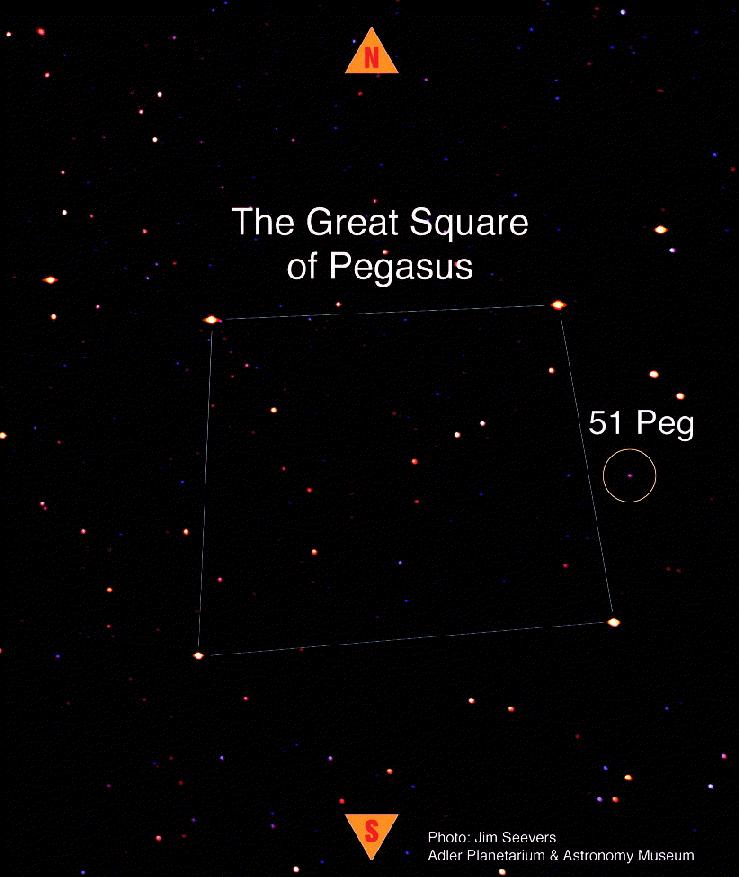
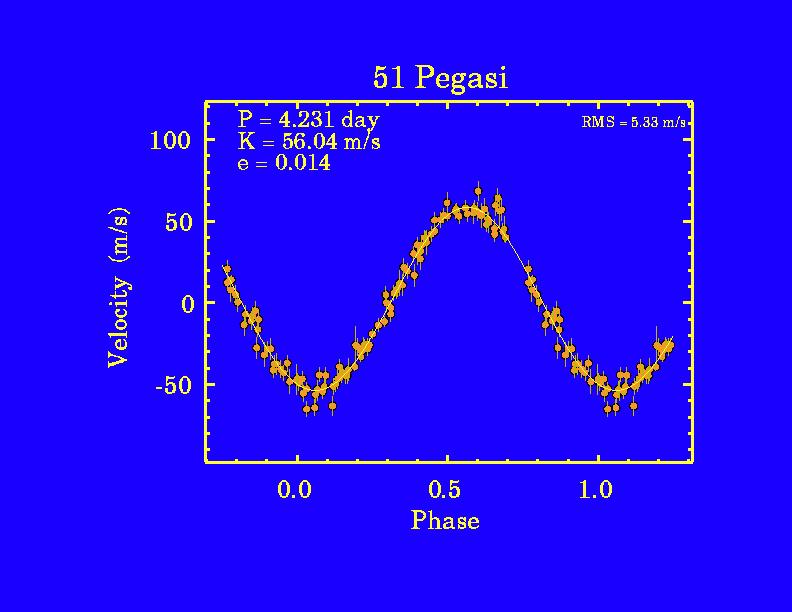
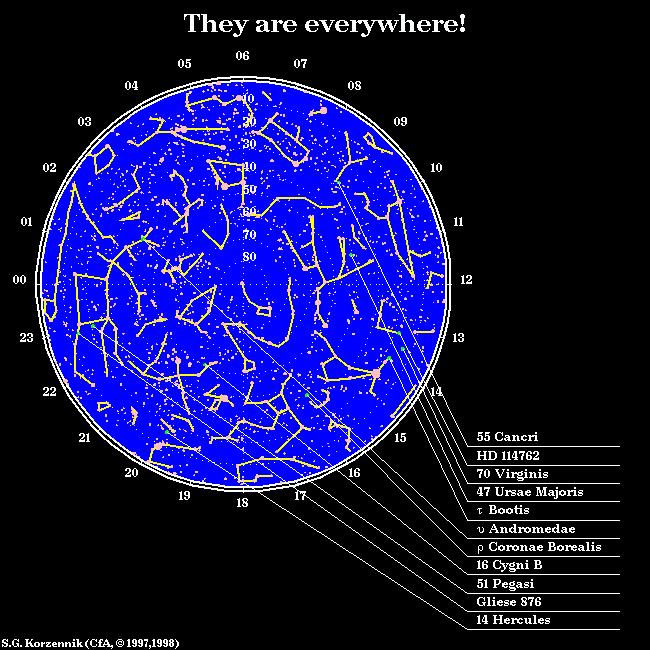
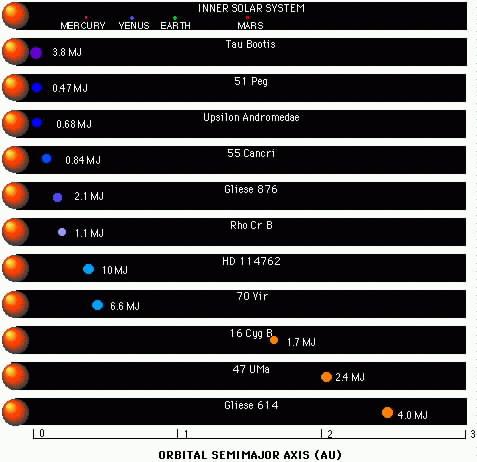
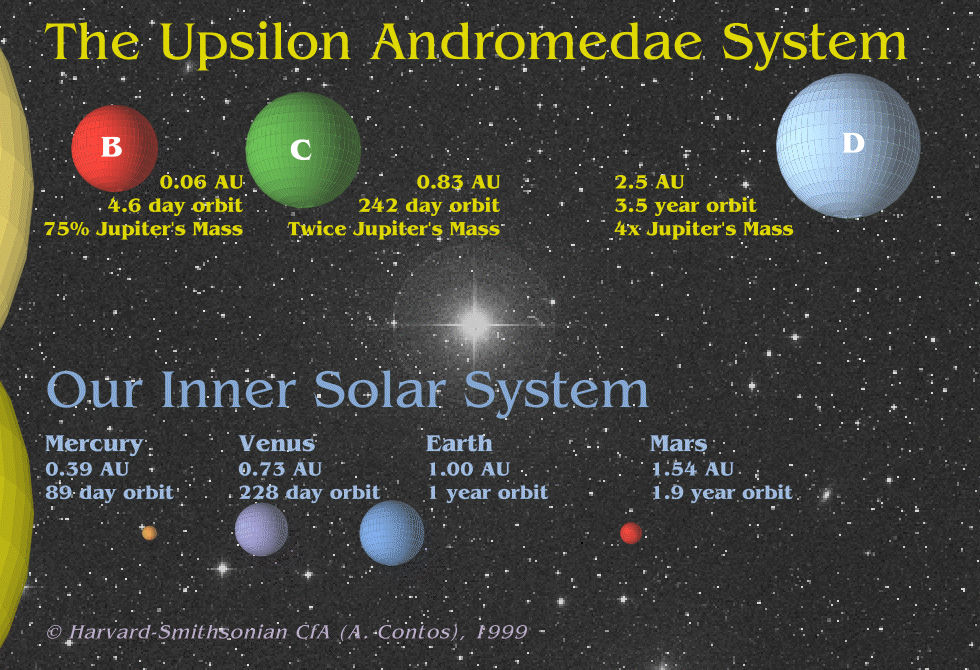
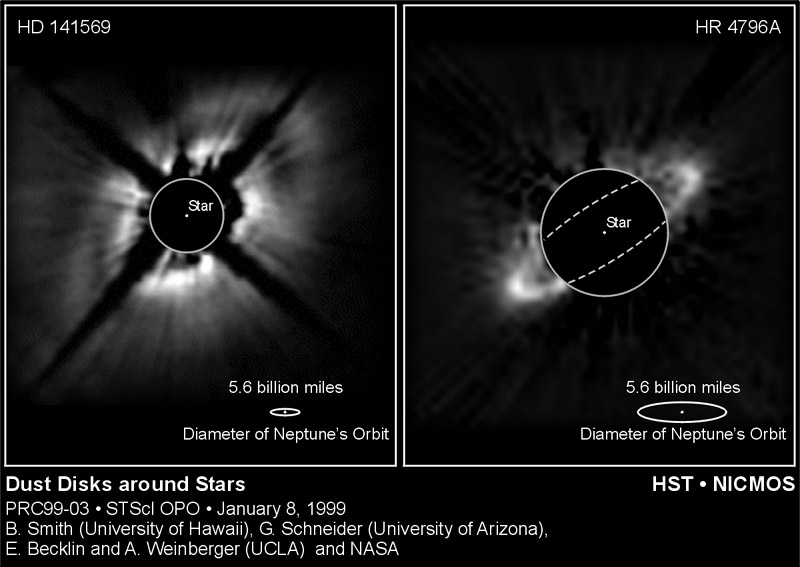
EN BUSCA DE OTROS MUNDOS: IMAGEN 1 , IMAGEN 2 , IMAGEN 3 , IMAGEN 4 , IMAGEN 5 , IMAGEN 6 , IMAGEN 7 .
COLOQUIO PLANETAS: IMAGEN 1 , IMAGEN 2 , IMAGEN 3 , IMAGEN 4 , IMAGEN 5 , IMAGEN 6 , IMAGEN 7 , IMAGEN 8 , IMAGEN 9 , IMAGEN 10 , IMAGEN 11 , IMAGEN 12 , IMAGEN 13 , IMAGEN 14 , IMAGEN 15 , IMAGEN 16 , IMAGEN 17 , IMAGEN 18 , IMAGEN 19 , IMAGEN 19b , IMAGEN 20 , IMAGEN 21 , IMAGEN 22 , IMAGEN 23 , IMAGEN 24 , IMAGEN 25a , IMAGEN 25b , IMAGEN 26 , IMAGEN 27 , IMAGEN 28 , IMAGEN 29 , IMAGEN 30a , IMAGEN 30b , IMAGEN 30c , IMAGEN 31a , IMAGEN 31b , IMAGEN 32 , IMAGEN 33 , IMAGEN 34 , IMAGEN 35 , IMAGEN 36 , IMAGEN 37 , IMAGEN 38 , IMAGEN 39 , IMAGEN 39a , IMAGEN 39b , IMAGEN 40 , IMAGEN 41, IMAGEN 42, IMAGEN 42a, IMAGEN 43, IMAGEN 44, IMAGEN 45, IMAGEN 46.
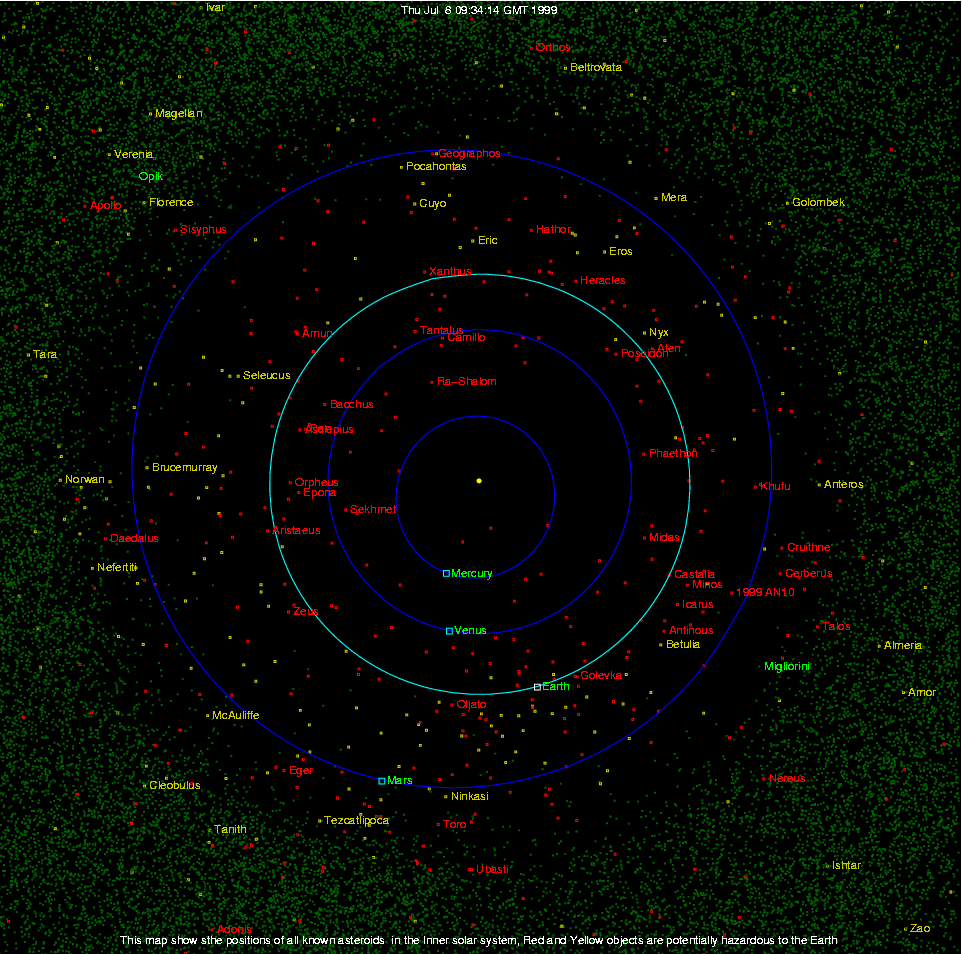
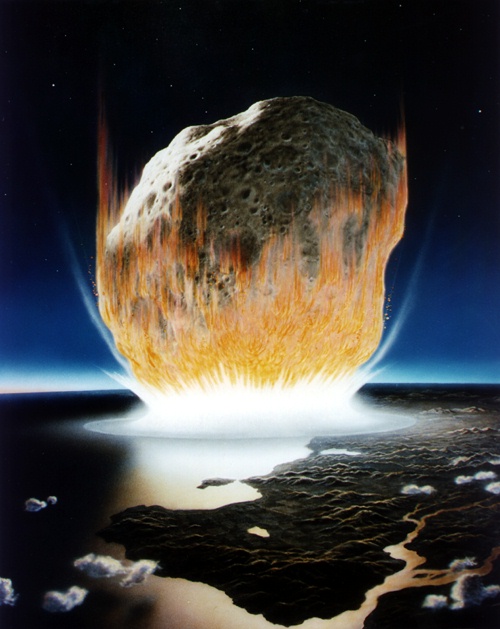
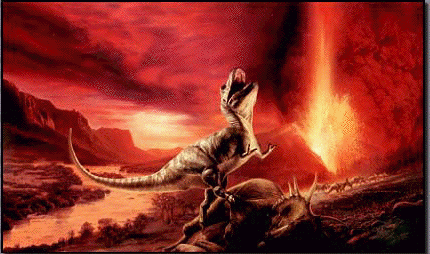
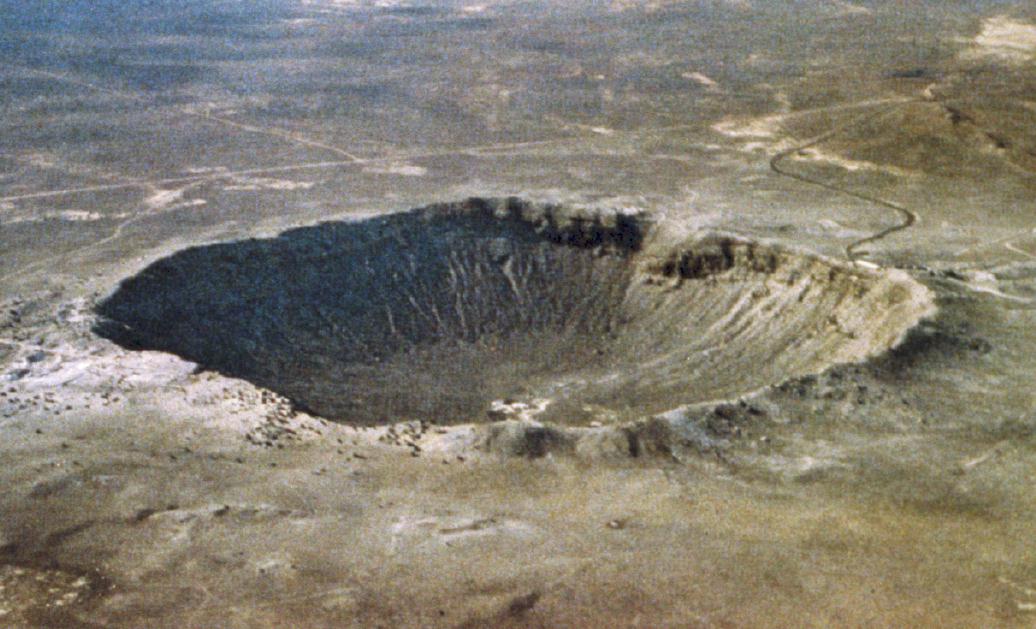
COLOQUIO ASTEROIDES: IMAGEN 1 , IMAGEN 2 , IMAGEN 3 , IMAGEN 4 , IMAGEN 5a , IMAGEN 5b , IMAGEN 5c , IMAGEN 6 , IMAGEN 7 , IMAGEN 8 , IMAGEN 9 , IMAGEN 10 , IMAGEN 11 .
Imagenes varias: IMAGE 1 , IMAGE 2 , IMAGE 3 IMAGEN 4 IMAGEN 5 IMAGEN 6 IMAGEN 7 IMAGE 1 IMAGE 1 IMAGE 1 Universo Cosmology Papers
Luis F. Rodriguez, researcher at the Instituto de Radioastronomia y Astrofisica, UNAM, Campus Morelia.
- "Movimientos Superlumínicos en la Galaxia" (Superluminal Motions in the Galaxy):
paginas
1 ,
2 ,
3 ,
4 ,
5 ,
6 , y
7 .